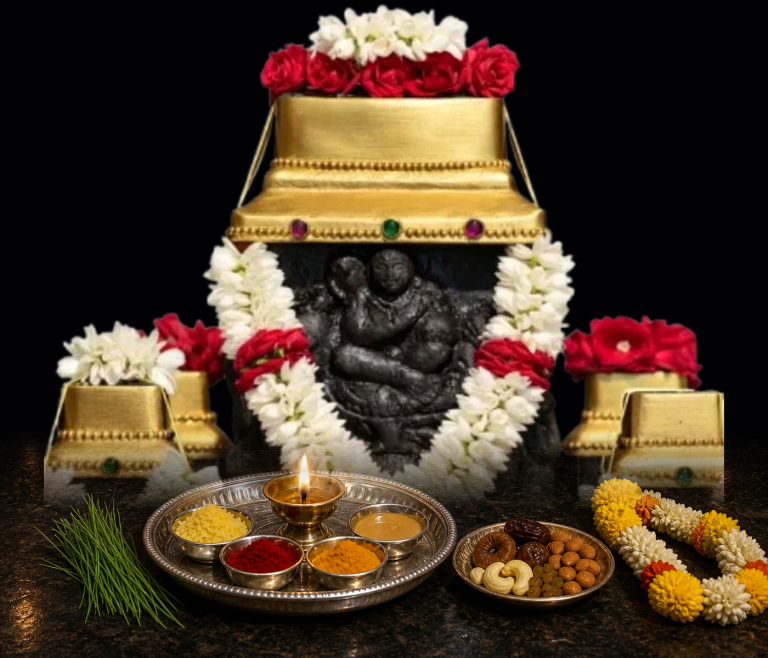
Bhootarajara Vishesha Pradosha Pooja Seva is the special twilight worship of Sri Bhootaraja at Shri Vadiraja Mandira, Chintamani. To see why this hour matters, it helps to hold two facts together. First, Pradosha is the sandhya of Trayodashi, when Rudra is said to be most approachable. Second, Bhootaraja is not a minor village guardian. He is Patrataapa Rudra, the tenth Rudra, whom Shri Vadirajaru blessed as Bhaavi Rudra and as the eternal kshetra paalaka of Sodhe. A vishesha pooja at his shrine during that twilight is therefore both guardian worship and Rudra worship, offered in the name of the devotee who books it.
The Meaning of Pradosha
Pradosha means the first darkness, the stretch of evening when lamps take over from the sun. On the thirteenth lunar day this window is observed twice a month. The older stories say that after Shiva drank the halahala and saved the worlds, the gods came at twilight to thank him, and he danced in joy. That memory is why temples still keep Pradosha as a time when a short, sincere pooja is worth more than a long one done at an ordinary hour. The merit is described as the quieting of papa, the gathering of the gods’ goodwill, and the granting of rightful wishes.
Bhootaraja as Rudra and as Guardian
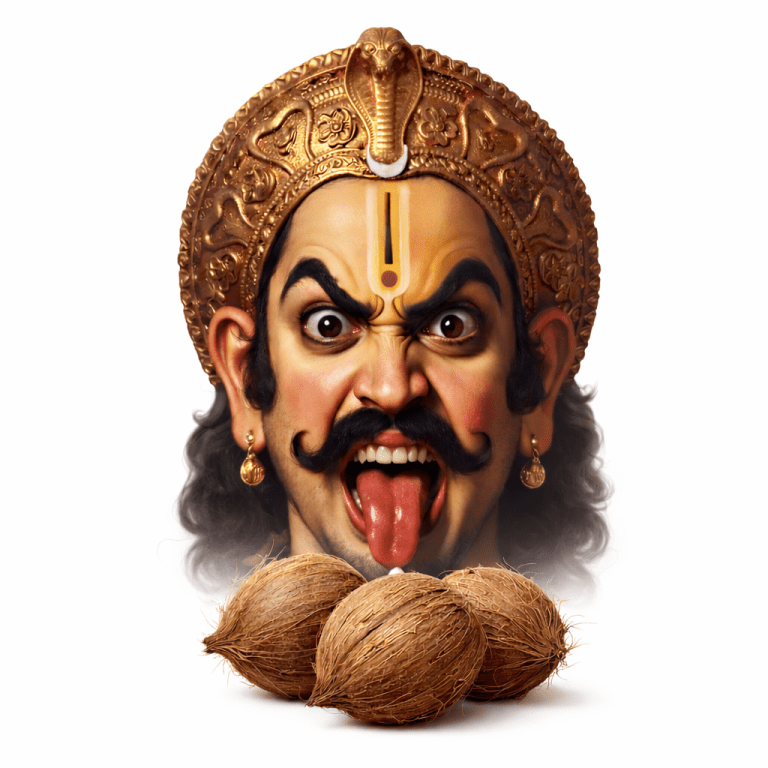
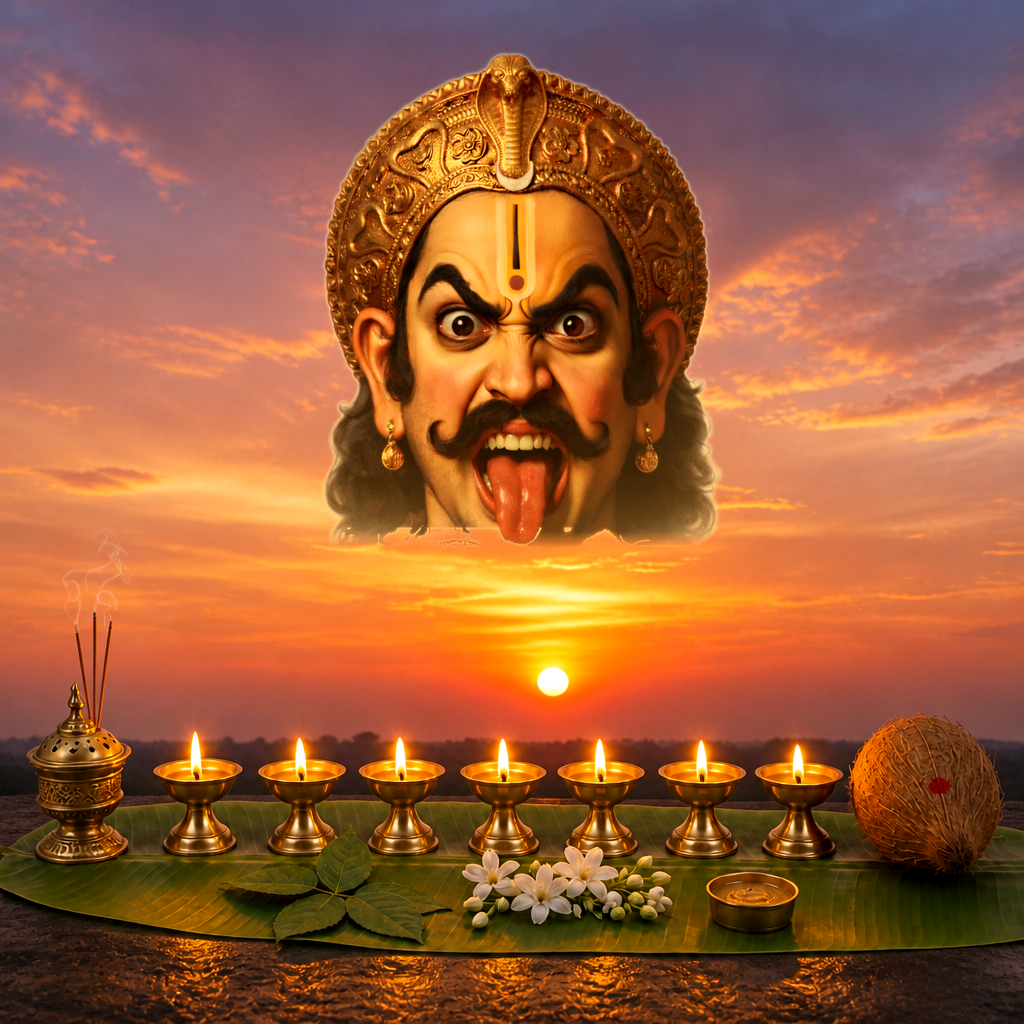
The Madhwa tradition tells Bhootaraja’s life across three births, Tapodhana, Somadatta, and Narayana Sharma, until Vadirajaru released him from the brahma rakshasa curse. His form blazed like the rising sun. He bowed fully and asked to serve the saint forever. Vadirajaru named him Bhootaraja, promised that he would be Bhaavi Rudra, and set him as kshetra paalaka at Sodhe. From then he serves in an unseen way: bringing the Trivikrama vigraha from Badari, guarding the matha, and receiving the coconut that devotees still roll to his shrine.
Every evening at Sodhe, Bali pooja is offered to him. There is a special entrance at the sarovara reserved for him alone. Devotees honour Bhootaraja first, then go to Vadirajaru. The Chintamani temple keeps that same order of courtesy. On Trayodashi the courtesy becomes a vishesha pooja.
What the Vishesha Pooja Includes
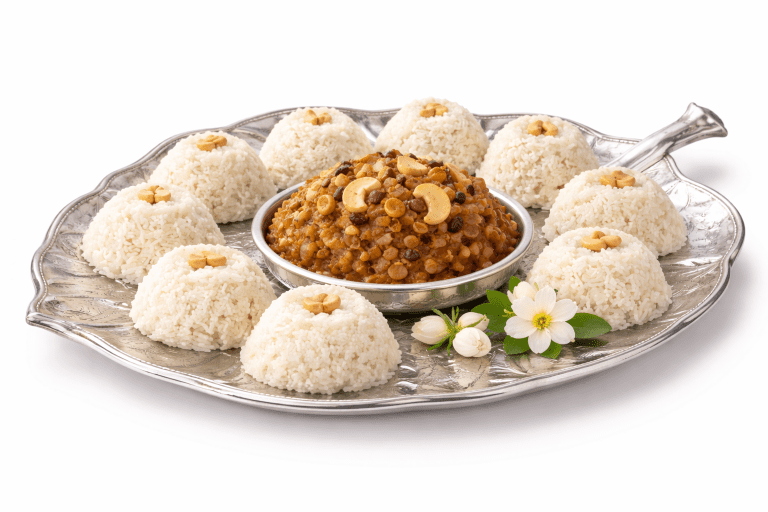
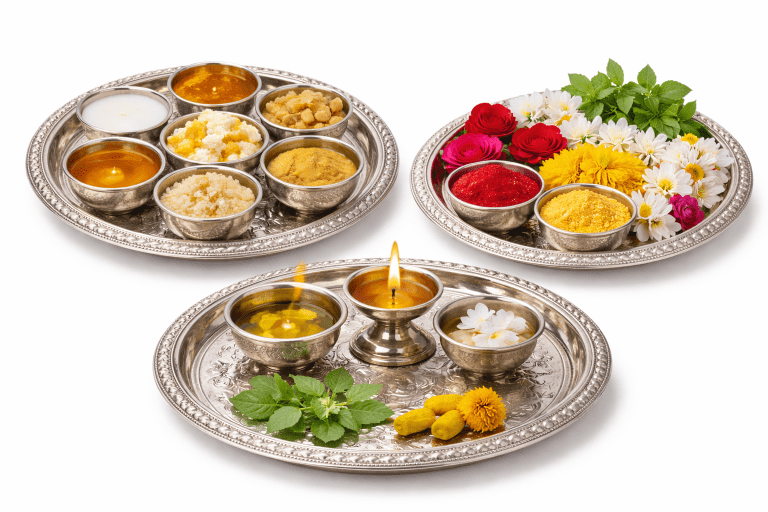
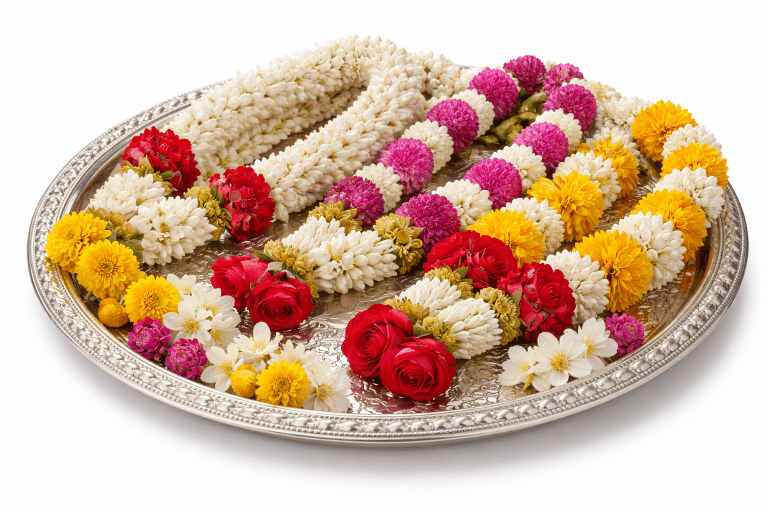
The priest performs sankalpa in your name. In the Pradosha window he offers incense, lamps, sandal, flowers, and naivedya, and he recites protective stotras. This is more than the daily dhoopa and arati. It is a complete evening karma timed to the tithi. Soma Pradosha and Shani Pradosha are especially sought, because Monday and Saturday already lean toward Rudra and toward guardian worship.
How It Sits Beside the Other Bhootaraja Sevas
Narikela Seva is the coconut rolled in surrender. Dhooparathi Seva is incense and lamp for any evening you wish to keep. The vishesha Pradosha pooja is for the two Trayodashi twilights, when the same guardian is worshipped as Rudra at the hour the Puranas praise. Families who keep all three find a simple pattern: coconut when a need is sharp, Dhooparathi when they want a string of evenings, Pradosha when the calendar itself opens the door.
Who Seeks This Seva
People book it for the protection of the house, for children and elders, for journeys, for a new doorway, and for fear that has no clear name. They also book it when work or health feels blocked by something that ordinary remedies do not touch. The tradition is modest about promises and clear about the asking: come to the guardian at his hour, and let Vadirajaru’s rakshane move through him.
What is Bhootarajara Vishesha Pradosha Pooja Seva?
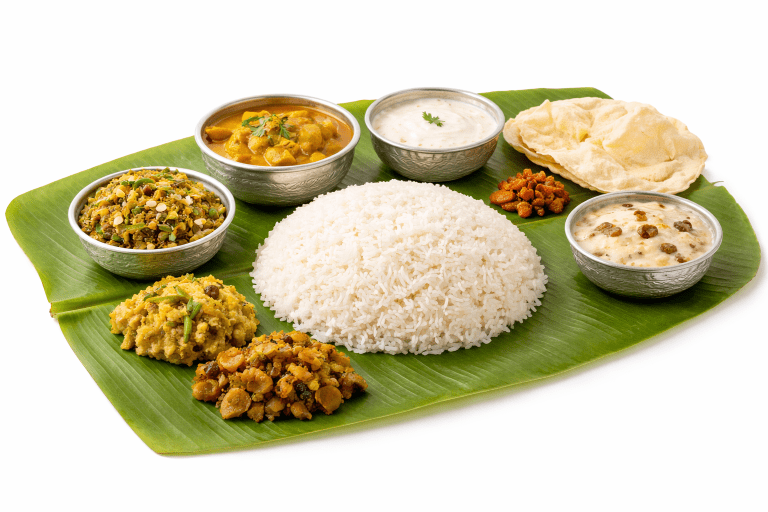
It is a special Trayodashi twilight pooja to Sri Bhootaraja at Shri Vadiraja Mandira. One booking at Rs. 501 sponsors one complete vishesha pooja in your name, with prasada sent home.
Can someone outside Karnataka book this seva?
Yes. The archaka performs the pooja at the temple. You book online from anywhere in India, and prasada is dispatched to the address you give.
Seek the twilight protection of Vadirajaru’s eternal guardian. Book Bhootarajara Vishesha Pradosha Pooja Seva at Shri Vadiraja Mandira, Chintamani. You may also look at Bhootarajara Dhooparathi Seva and Bhootarajara Narikela Seva.