Description
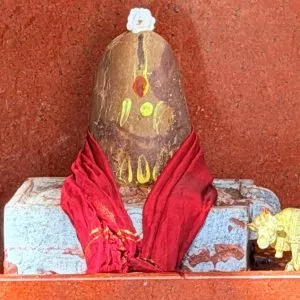
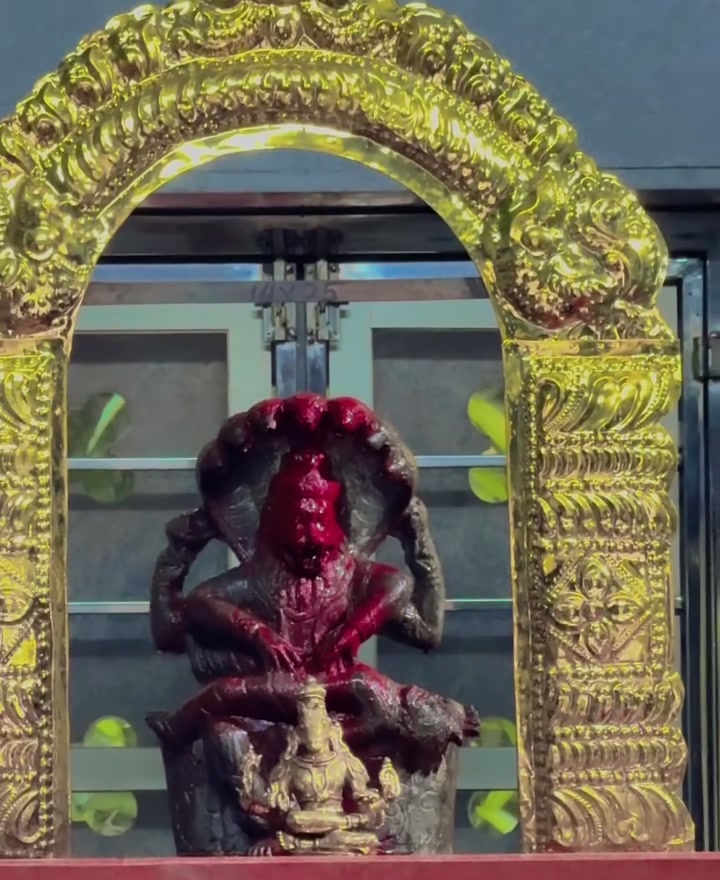
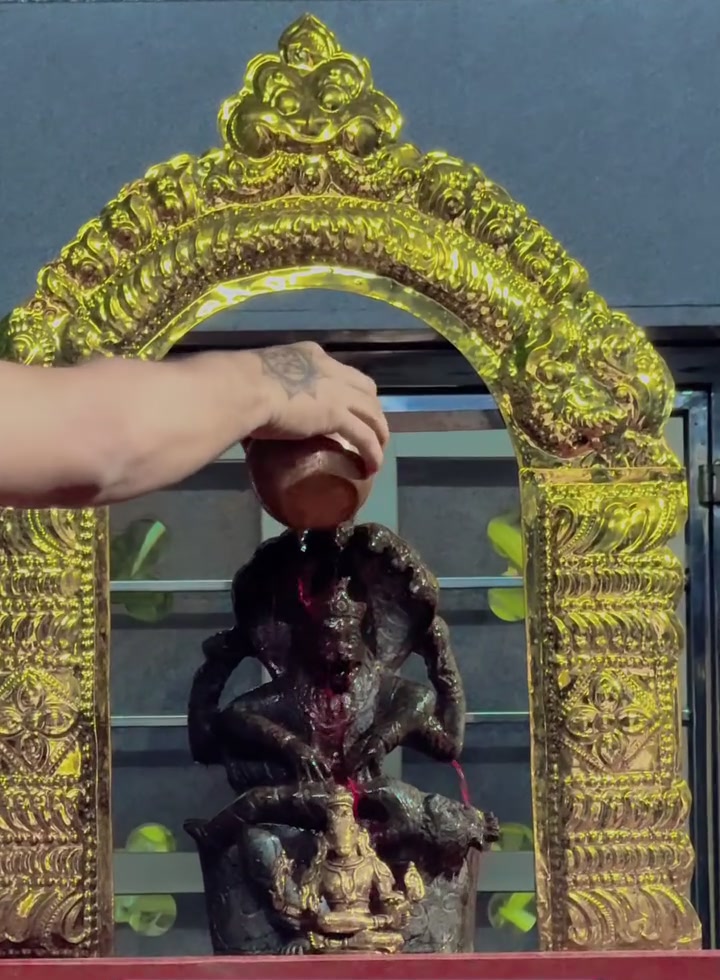
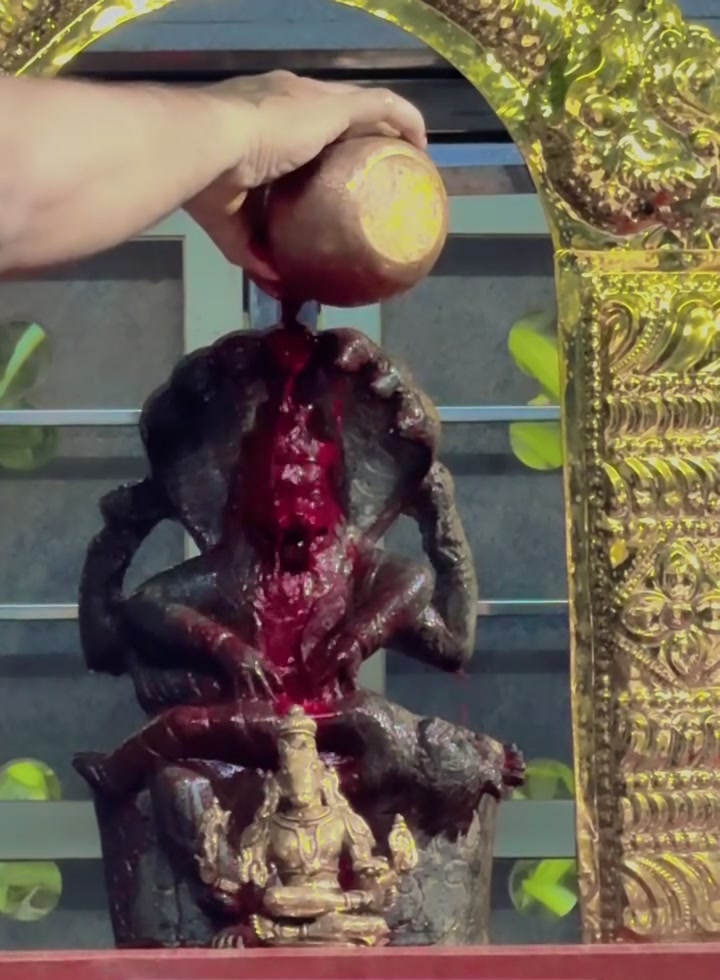
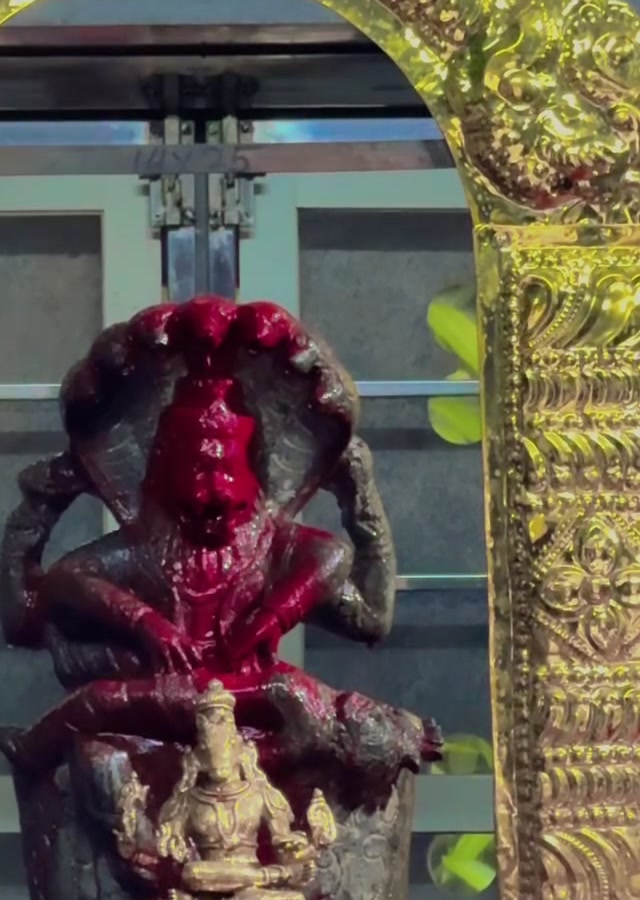
Kumkuma Abhisheka is the sacred ritual of bathing the deity with kumkuma (sacred vermilion) at Shri Ruju Yogi Vadiraja Mandira, Chintamani. Unlike a brief touch of powder during archana, this seva is a full abhisheka — a ceremonial bath in which fragrant kumkuma paste and kumkuma-tinged water are poured over the Bimba with Vedic mantras. The Skanda Purana (Prabhasa Khanda, Dvaraka Mahatmya) expressly enjoins: saṃsnāpayeddevīṃ kuṃkumena kusuṃbhakaiḥ — “one should bathe the Goddess with kumkuma and kusumbha.”
How Kumkuma Abhisheka Is Performed
The archaka begins with sankalpa — invoking the devotee’s name, gotra, and intention. Sacred kumkuma is prepared as a fine paste (and as kumkuma-reddened water), then poured over the deity in a steady stream while stotras dear to the Divine Mother and Lord Hari are chanted. After the bath, the deity is gently dried, adorned with fresh garments and flowers, and the ritual concludes with Mangala Aarati. The kumkuma that has touched the deity becomes sanctified prasada.
Scriptural Significance
In the Bhavishya Purana, Devi Parvati is worshipped with kumkuma, red cloth, and red flowers, and kumkuma stands among the eight items of the Saubhagyashtaka — the set of substances that mark lasting auspiciousness. The Lalita Sahasranama (preserved in the Brahmanda Purana) describes the Goddess as sindūrāruṇa-vigrahā — of vermilion-red form — and as one pleased by kumkuma anointing. The Bhagavata Purana (Skandha 5) remembers that the waters which washed Bhagavan Vamana’s lotus feet turned red with the kumkuma adorning them, and that stream became sacred as Bhagavatpadi (later Ganga). Offering kumkuma as abhisheka thus joins the devotee to a long Purāṇic lineage of reverence for the red mark of divine grace.
Spiritual Benefits
Devotees book Kumkuma Abhisheka for sowbhagya (auspiciousness), marital harmony, family wellbeing, prosperity under Goddess Lakshmi’s grace, and the removal of inauspiciousness. Fridays, Navaratri, Varalakshmi Vrata, and Pournami are especially favoured; the seva may be offered on any day with full sankalpa.
Prasada You Receive
You receive consecrated Kumkuma (the kumkuma used in the abhisheka), Mantrakshate, and Dry Fruit. Applying the kumkuma prasada is cherished as carrying the blessing of the ritual. Prasada is delivered to your doorstep across India.
Read more: Kumkuma Abhisheka: Meaning and Significance in Ancient Texts. Also see Kumkum in Hindu Worship and What Is Abhisheka?.
Frequently Asked Questions
What is Kumkuma Abhisheka?
It is the ceremonial bathing of the deity with sacred kumkuma paste and kumkuma-tinged water, performed with sankalpa and mantras at Shri Vadiraja Mandira, Chintamani.
How is it different from Lakshmi Kumkumarchane?
Kumkumarchane is name-recitation (archana) with a pinch of kumkuma offered at each divine name. Kumkuma Abhisheka is a full sacred bath (abhisheka) with kumkuma as the principal substance — a deeper upachara prescribed in the Skanda Purana for Devi worship.
Which scriptures mention kumkuma abhisheka?
The Skanda Purana (Dvaraka Mahatmya) directly instructs bathing the Goddess with kumkuma and kusumbha. The Bhavishya Purana links kumkuma with Devi Parvati and the Saubhagyashtaka. The Lalita Sahasranama and Bhagavata Purana further glorify kumkuma as dear to the Divine Mother and as marking the Lord’s lotus feet.
When should I book this seva?
Any day is suitable. Fridays, Navaratri, Varalakshmi Vrata, and full-moon days are traditionally regarded as especially auspicious for kumkuma offerings to the Goddess.
What prasada will I receive?
Consecrated kumkuma from the abhisheka, mantrakshate, and dry fruit — packed after the seva and shipped to your address in India.
Related sevas: Lakshmi Kumkumarchane | Panchamruta Abhisheka | Madhu Abhisheka | Sri Gandhalepana