
Description
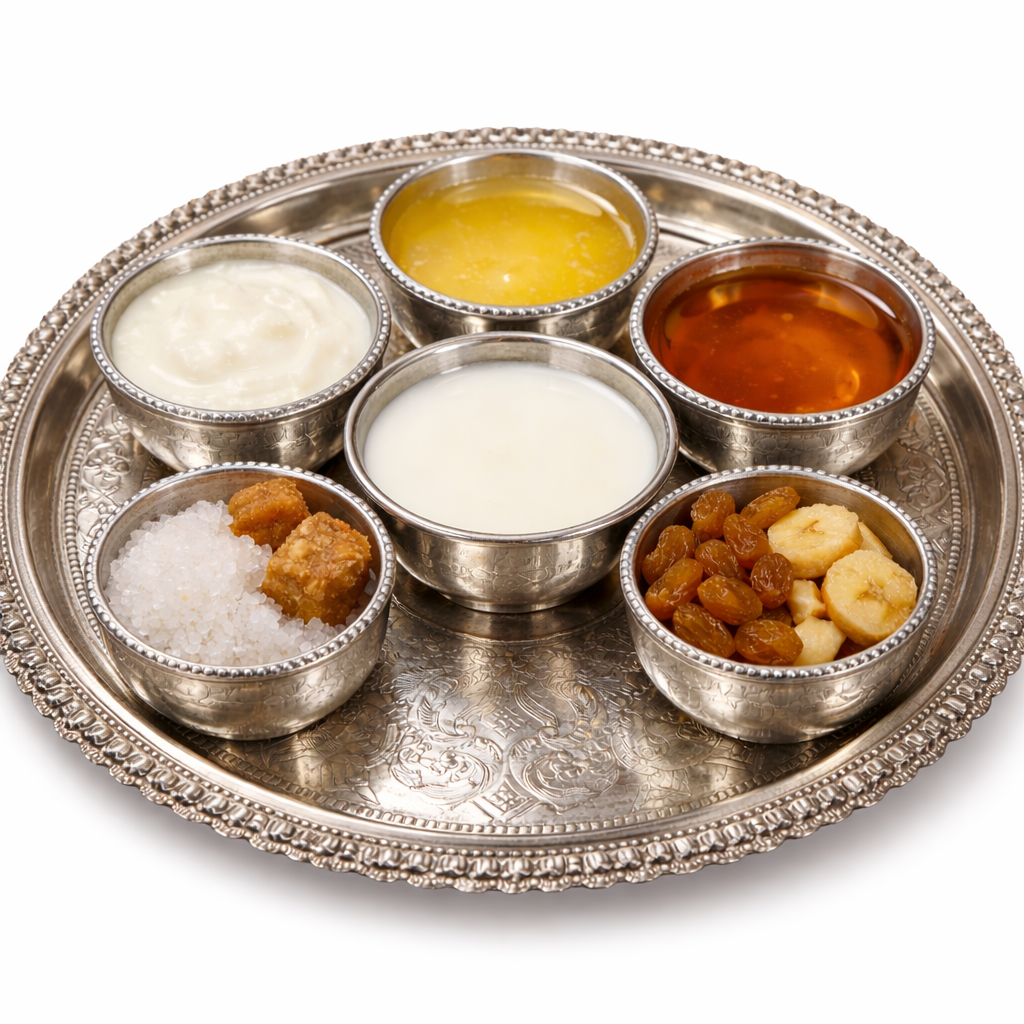
Panchamruta Abhisheka is one of the most revered rituals in the Madhwa tradition – the ceremonial bathing of the deity’s Bimba (consecrated idol) with the five sacred nectars (Panchamruta): milk (ksheera), curd (dadhi), ghee (ghruta), honey (madhu), and sugar (sharkara). Each substance carries profound scriptural symbolism, and together they represent the completeness of creation offered back to the Creator. At Shri Bhaavi Sameera Vadiraja Mandira, Chintamani, Panchamruta Abhisheka is performed by trained archaka priests with full Vedic mantras.
The Five Nectars and Their Symbolism
Milk (Ksheera) represents purity and nourishment. Curd (Dadhi) symbolises progeny, strength, and transformation. Ghee (Ghruta) stands for victory, spiritual radiance, and the flame of knowledge. Honey (Madhu) signifies sweetness, harmony, and the nectar of divine grace. Sugar (Sharkara) represents bliss and the sweetness of liberation. When these five substances merge over the deity’s form, they create a sacred mixture that embodies the totality of auspicious qualities.
How the Abhisheka Is Performed
The archaka begins with sankalpa – a formal invocation that includes the devotee’s name, gotra, and intention. The deity’s ornaments are respectfully removed, and each substance is poured over the Bimba in the prescribed order while chanting from the Purusha Sukta, Shri Sukta, and Vishnu Sahasranama. After the bathing, the deity is dried, adorned with fresh garments and flowers (alankara), and the ritual concludes with Mangala Aarati. The liquid collected after the Abhisheka – Abhisheka Tirtha – is distributed as sacred prasada.
Scriptural Significance
The Skanda Purana declares that a devotee who performs Abhisheka to Vishnu with devotion is freed from the cycle of birth and death. The Padma Purana states that even witnessing an Abhisheka confers great merit. In the Dvaita framework of Shri Madhwacharya, Bhagavan actually presides within the consecrated Bimba, and every drop poured is a direct, personal service to the Supreme Being.
Spiritual Benefits
Panchamruta Abhisheka is recommended for general wellbeing, purification, health, family harmony, and spiritual progress. It is commonly booked for birthdays, anniversaries, Ekadashi, festivals like Krishnashtami and Rama Navami, and during times of difficulty when divine intervention is sought.
Prasada You Receive
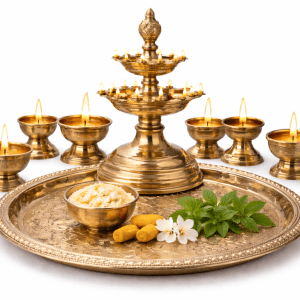
You receive Mantrakshate (consecrated rice), Kumkuma, and Dry Fruit – all blessed through the Panchamruta Abhisheka. These are packed and delivered to your doorstep.
Read more: Panchamruta Abhisheka: Benefits and Meaning of Five Sacred Nectars. Also see What Is Abhisheka? Types, Meaning, and Significance.
Frequently Asked Questions
What is Panchamruta Abhisheka?
It is the sacred bathing of the deity with five nectars – milk, curd, ghee, honey, and sugar – accompanied by Vedic mantras. Each ingredient symbolises a divine quality, and together they represent the completeness of creation offered to the Lord.
What are the benefits of Panchamruta Abhisheka?
Benefits include purification of mind and body, general wellbeing, family harmony, spiritual progress, and removal of accumulated negative karma. The Skanda Purana and Padma Purana describe immense merit for devotees who sponsor or witness this ritual.
How is Panchamruta Abhisheka different from other Abhishekas?
Panchamruta uses all five sacred substances, making it the most comprehensive form of Abhisheka. Other forms – like Madhu Abhisheka (honey only) or Ksheera Abhisheka (milk only) – use a single substance and target specific intentions.
When is the best time to book Panchamruta Abhisheka?
It can be performed on any day. Especially auspicious occasions include Ekadashi, Pournami, Krishnashtami, Rama Navami, Narasimha Jayanti, and during Shravan month. Many devotees also book it for personal milestones like birthdays and housewarmings.
Can I book Panchamruta Abhisheka online from anywhere in India?
Yes. You can book online from anywhere. The temple performs the Abhisheka on your chosen date, and prasada is shipped to your registered address across India.
What mantras are chanted during the Abhisheka?
The archaka chants from the Purusha Sukta, Shri Sukta, and Vishnu Sahasranama during the bathing. The specific mantras follow the Madhwa Agama as prescribed by Shri Madhwacharya.
Related sevas: Madhu (Honey) Abhisheka | Kanakabhisheka (Golden) | Sri Gandhalepana | Guide to Madhwa Sevas
Rohini Mallya (verified owner) –
Did this for my daughter’s exams. Felt very positive. Temple team is responsive and the whole process is trustworthy.
Ramesh Tantri (verified owner) –
Simple booking, quick confirmation. The panchamruta ritual is close to our heart. Prasada reached in good condition. 5 stars.
Jayalakshmi Kini (verified owner) –
Five sacred ingredients abhisheka was performed as per tradition. Felt divine. Packaging and delivery were excellent.
Harish Udupa (verified owner) –
Panchamruta abhisheka is so auspicious. Booked for our wedding anniversary. Got the prasada and even a photo from the temple. Very happy.