
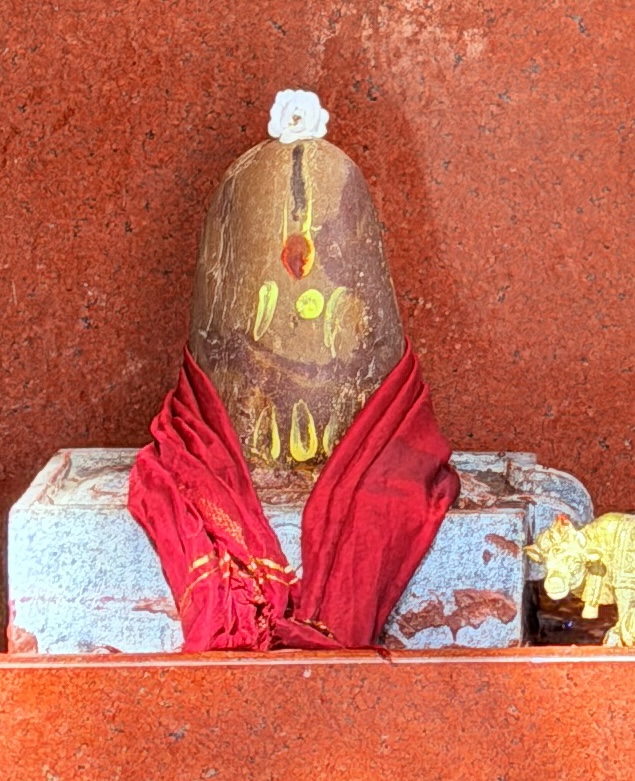
Rudrabhisheka is the sacred bath of the Omkareshwara Maha Rudra Devara Linga. At Shri Vadiraja Mandira, Chintamani, it is offered every Monday — Somavara — in the devotee’s name.
Seva Articles - Temple Rituals, Festivals & Madhwa Philosophy
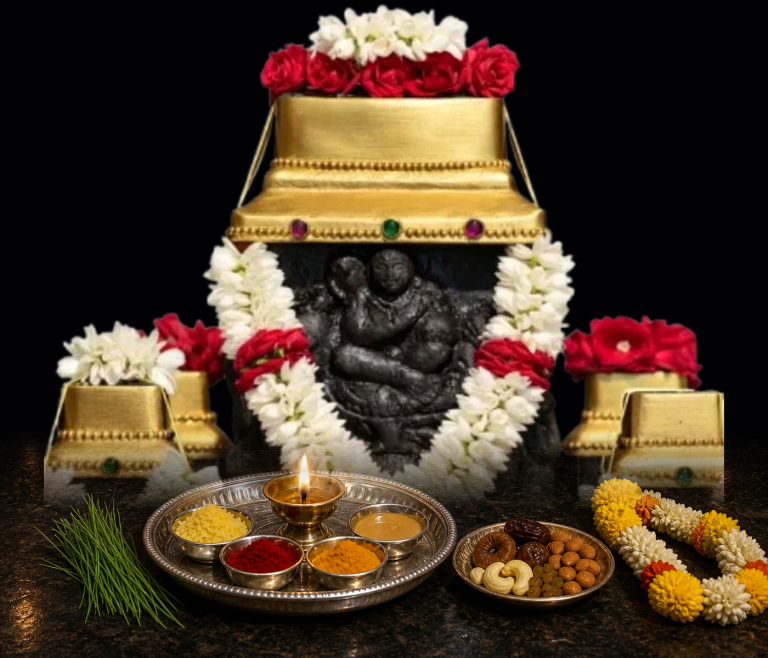
Vadirajara Panchami Vishesha Pooja is the complete Panchami worship of the Panchavrundavana as prescribed in the Swapna Vrundavana Akhyana, offered at Shri Vadiraja Mandira, Chintamani.

Bhootarajara Vishesha Pradosha Pooja is the special Trayodashi twilight worship of Sri Bhootaraja, Patrataapa Rudra and eternal guardian of Vadirajaru, at Shri Vadiraja Mandira, Chintamani.

Bhootarajara Dhooparathi Seva — the offering of sacred incense and arati lamp before Sri Bhootaraja — is a powerful evening worship at Shri Vadiraja Mandira, Chintamani. To understand this seva, one must know who Bhootaraja is: not merely a guardian deity, but the most devoted servant of Shri…
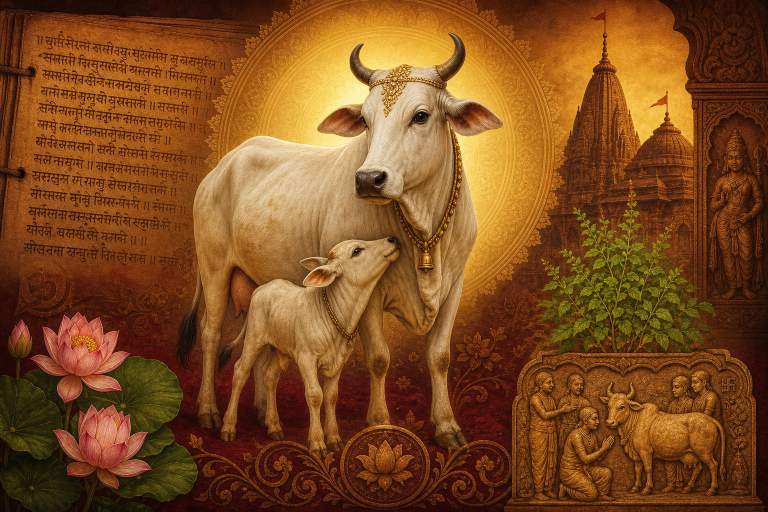
Gau Dana — also called Godana — is the sacred Vedic gift of a cow. In the Hindu scriptural tradition, no act of charity surpasses it. At Shri Bhaavi Sameera Vadiraja Mandira and the Ruju Yogi Foundation Gaushala, Chintamani, devotees may now book Gau Dana Seva — the…

Discover who the Rujus are in Madhwa philosophy, their place in Taratamya, the 100 Ruju names, and the traditional link between Latavya, Sudeva, and Sri Vadiraja.

Explore the meaning of Anu Vrundavana Akhyana, the sacred Panchavrundavana of Sri Vadirajaru, and selected verse references in English transliteration, Devanagari, Kannada, with clear meanings and devotional narration.

Why is Sri Vadirajaru revered as Sri Bhaavi Sameera? This article presents the traditional scriptural references connected to his rujutva, with verses in English transliteration, Sanskrit, Kannada, and reader-friendly explanations.

The Haridasa movement is one of the most remarkable spiritual and cultural phenomena in Indian history – a centuries-long torrent of devotional song that carried the profound truths of Tattvavada (Dvaita Vedanta) from the halls of scholarship into the homes, fields, and hearts of ordinary people across Karnataka…