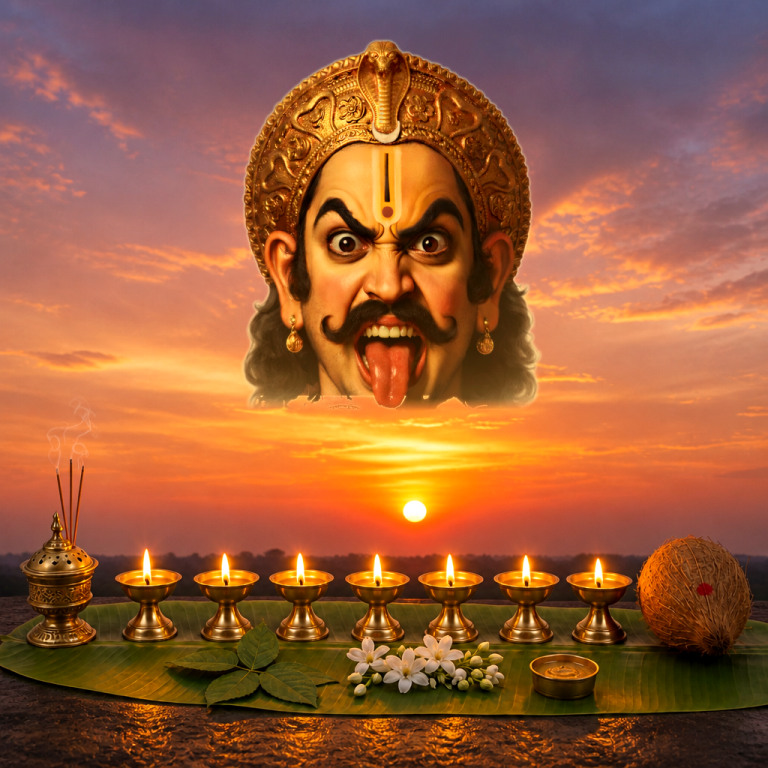
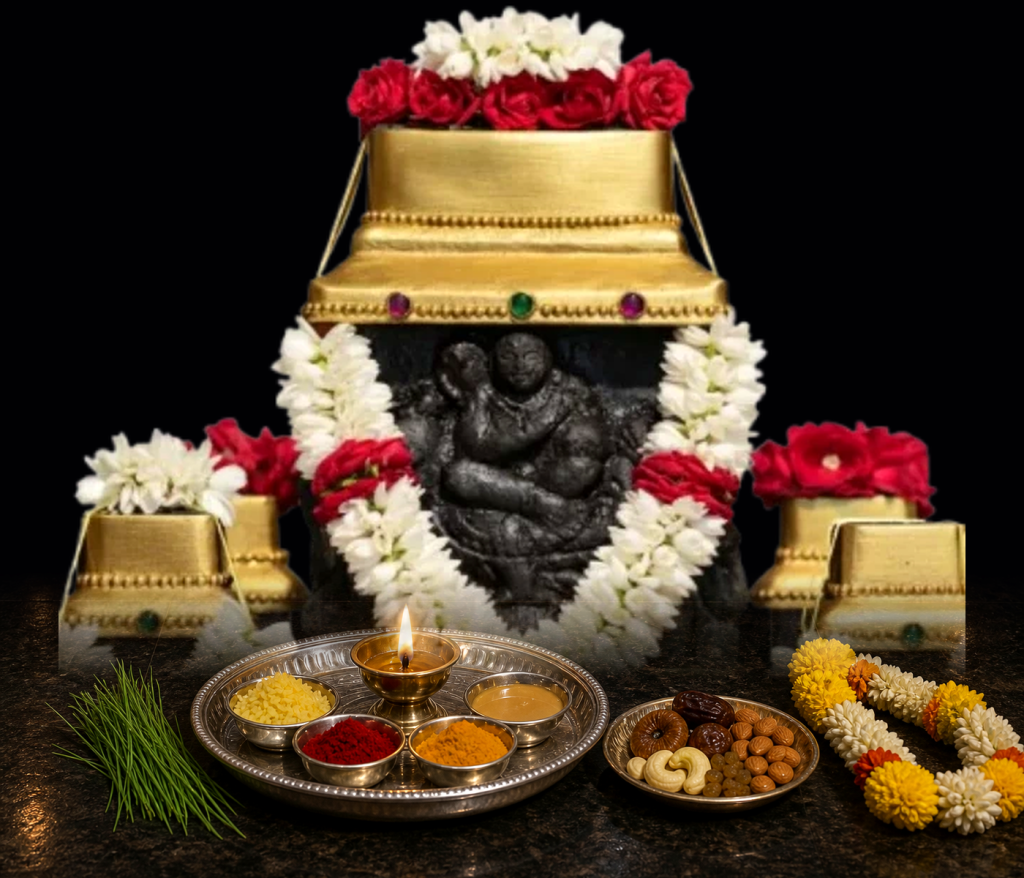
Vadirajara Panchami Vishesha Pooja Seva is the complete special worship of Sri Vadirajaru’s Panchavrundavana on Panchami tithi at Shri Vadiraja Mandira, Chintamani. The saint did not leave this day as a vague auspicious date. In the Swapna Vrundavana Akhyana he told devotees how to worship the Vrundavana, with what materials, at which hours, and on which tithi. The vishesha pooja is that instruction carried out in full, not a shortened archana, and it is offered in the name of the devotee who books it.
The Akhyana’s Own Words
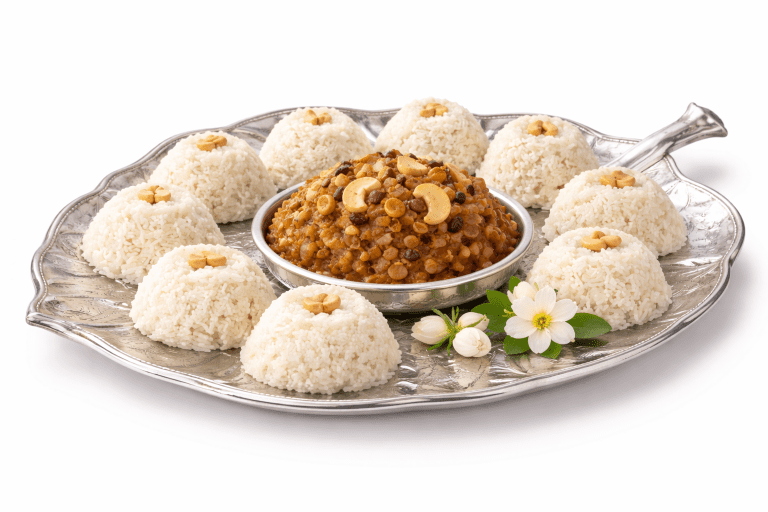
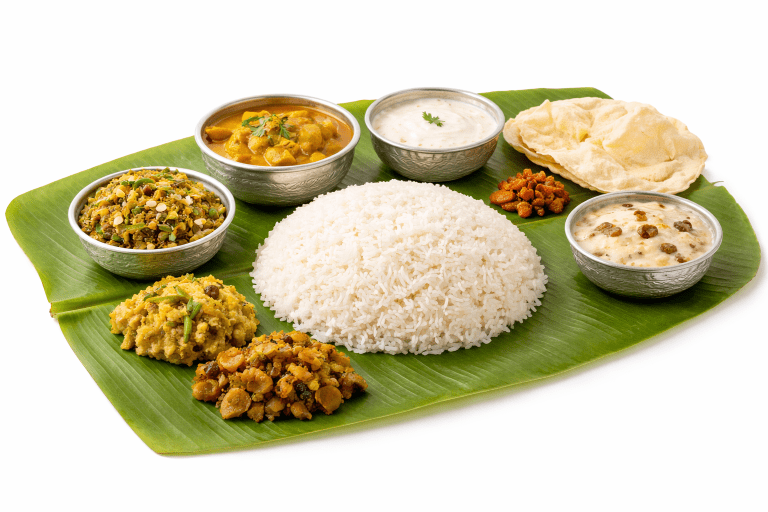
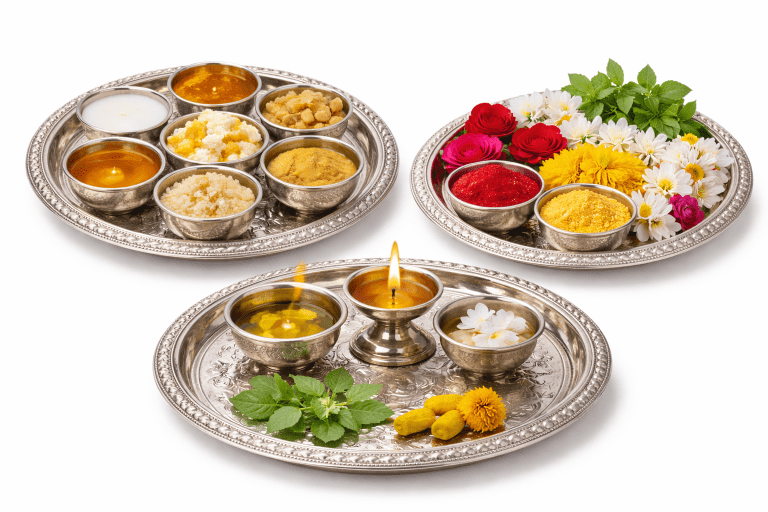
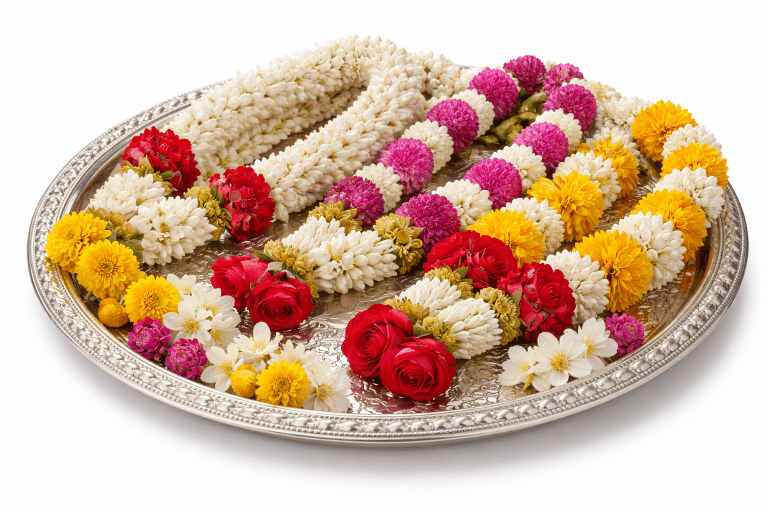
The Anu Vrundavana Akhyana gathers the key verses. Verses 10 and 11 state that this Vrundavana grants all desires to the pious and that it should be worshipped on Panchami and during the five parva kalas. Later lines list the materials: incense, ceremonial lights, garlands, sandalwood paste, durva, akshata, food of five delicacies, panchamruta, and naivedya of five dry fruits (grapes, almonds, dates, figs, and sakkare badami). “When I am worshipped in this manner with devotion, I bestow unsurpassed blessings.” That is the voice of the Akhyana, and it is the shape of this seva.
Five Seats, Five Forms, Five Hours
At Sodhe the Panchavrundavana is unique in the Madhwa world. Four Vrundavanas form a rectangle. The main Vrundavana stands in the middle. The opening verses of the Akhyana identify Hayagreeva as present there, worshipped by Brahma, Rudra, and Indra. The five forms of Hari (Vasudeva, Narayana, Pradyumna, Aniruddha, and Sankarshana) are said to dwell in those five seats. Celestial beings are present still more in parva kala. The five daily windows remembered by the tradition are pratah kala (early morning), parva kala, madhyahna, pradosha kala, and sayankala.
Panchami is the tithi that gathers this fivefold pattern into a single day. A vishesha pooja on that tithi is an alignment with the saint’s own counting of the sacred, not an extra festival invented later.
Vadirajaru Alive in the Vrundavana
Sri Vadiraja Tirtha lived one hundred and twenty years and entered his Vrundavana while still alive in 1600. He is worshipped as Latavya, a Ruju yogi who will become the next Vayu. The Akhyana will not let a devotee treat the shrine as a memorial. It presents Vadirajaru as present, worship worthy, and surrounded by Hari and the gods. That is why a full pooja, with naivedya and lamps, is the fitting Panchami karma. You are not decorating a memory. You are serving a living presence.
Vishesha Pooja and Panchami Archana
Nama archana on Panchami remains a beautiful, accessible seva. It keeps the tithi and the names. The vishesha pooja keeps the tithi and adds the materials the Akhyana named. One is the recitation. The other is the complete upachara. A household may keep the archana as a monthly thread and book the vishesha pooja when a vow, a wedding in the family, a child’s studies, or a hard season asks for the fuller offering.
What Devotees Ask For
People come for guru kripa first. They also come for Hayagreeva’s gift of a clear, learning mind, for peace in the house, for the removal of stubborn obstacles, and for the quiet strength of Vayu tattva. The Akhyana’s promise is large and simple: this Vrundavana grants the rightful wishes of the pious. The temple’s part is to perform the pooja as prescribed. The devotee’s part is the sankalpa and the trust.
What is Vadirajara Panchami Vishesha Pooja Seva?
It is the full special pooja of the Panchavrundavana on Panchami tithi, following the materials and timing given in the Swapna Vrundavana Akhyana. One booking at Rs. 501 sponsors one complete pooja, with prasada sent home.
Is this the same as worship at Sodhe?
Sodhe remains the original kshetra. At Chintamani the same fivefold worship is offered so that devotees who cannot travel may still keep Vadirajaru’s Panchami instruction with a complete pooja, not only a distant wish.
Keep the tithi the saint himself named. Book Vadirajara Panchami Vishesha Pooja Seva at Shri Vadiraja Mandira, Chintamani. You may also look at Panchami Archana Seva and Hastodaka Seva.