
Description
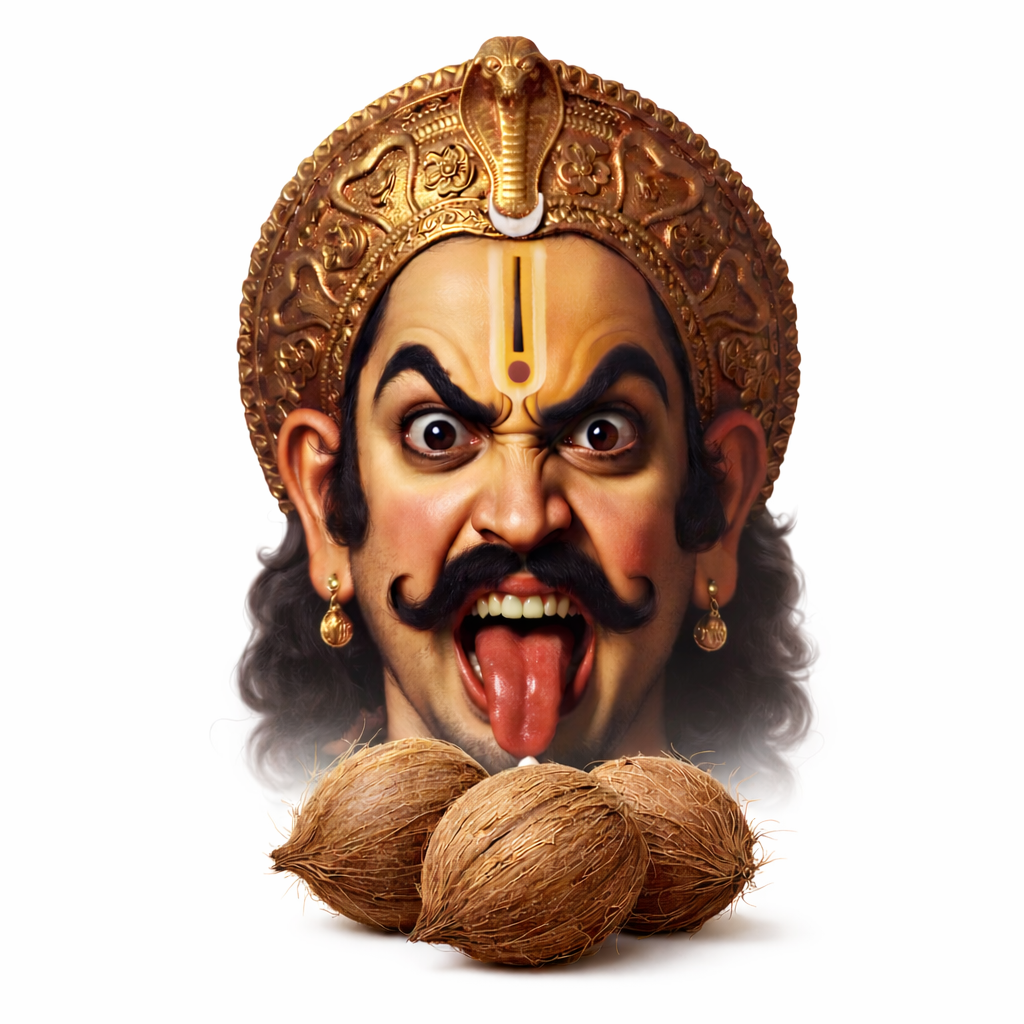
Bhootarajara Narikela Seva is the sacred offering of a coconut (narikela) to Sri Bhootaraja at Shri Bhaavi Sameera Vadiraja Mandira, Chintamani. In the Madhwa tradition, Bhootaraja is an incarnation of Patrataapa Rudra (the tenth Rudra) — the devoted servant and kshetra paalaka (guardian of the sacred precinct) of Shri Vadirajaru at Sodhe, and by extension of temples where Vadirajaru is worshipped. The Narikela offering to Bhootaraja is a powerful ritual for obstacle removal (vighna nivarana), protection, and the restoration of peace.
How Narikela Seva Is Performed
The archaka performs sankalpa with the devotee’s name and gotra, then with prescribed mantras rolls the consecrated coconut toward the Bhootaraja shrine — it is not struck and broken as in some other traditions. This rolling is an act of humble, complete surrender before Bhootarajaru. The coconut’s husk, shell, kernel, and water carry traditional symbolism of worldly difficulty, ego, inner purity, and surrender; offering the whole coconut intact in this way expresses reverent prostration and a prayer for protection.
Note: Rolling the coconut (instead of breaking) applies only to Bhootarajara Narikela Seva before Sri Bhootarajaru. It does not describe how coconuts or other offerings are made at Sri Narasimha Devaru, Prana Devaru, Vadirajaru, or any other sannidhana — each follows its own established temple practice.
Significance of Coconut Offering
The coconut (Shrifala or Narikela) is one of the most sacred fruits in Hindu ritual. The Skanda Purana describes it as the fruit of the gods. The three eyes on the coconut are associated with the Trimurtis. In the specific context of Bhootaraja worship, the Narikela offering is a traditional means of seeking protection from unseen negative influences, drishti dosha (evil eye), and obstacles in one’s path. The ritual is particularly significant at our temple because Sri Bhootaraja stands in inseparable connection with the sacred precinct that honours Shri Vadirajaru’s Panchavrundavana (five sacred forms of the saint).
Spiritual Benefits
Devotees book this seva for removal of obstacles, protection from negative energies, relief from drishti dosha, peace during legal or personal disputes, and general wellbeing. It is also commonly booked before starting new ventures, moving to a new house, or when facing unexplained difficulties.
Prasada You Receive
You receive Mantrakshate (consecrated rice), Kumkuma, and Dry Fruit — all blessed through the Narikela offering to Sri Bhootaraja. Prasada is delivered to your doorstep.
Read more: Bhootarajara Narikela Seva: Coconut Offering Significance and Benefits.
Frequently Asked Questions
What is Bhootarajara Narikela Seva?
It is the sacred offering of a coconut to Sri Bhootaraja — kshetra paalaka and devoted servant of Vadirajaru — at Shri Vadiraja Mandira. For this seva only, the coconut is rolled to the shrine in front of Bhootarajaru as a prayer for protection and obstacle removal — not broken before Bhootarajaru. (Other murthis and sevas are not described here.)
Who is Bhootaraja?
Bhootaraja is Patrataapa Rudra incarnate, blessed by Shri Vadirajaru as eternal guardian of Sodhe and temples in this lineage. In Madhwa taratamya he is in the third tier alongside Garuda, Shesha, and Rudraru — above the revered Yatis and Dasas — reflecting his exalted role as Vadirajaru’s foremost earthly guardian.
Why is a coconut offered specifically to Bhootaraja?
The coconut (Shrifala) is considered a complete offering — its layers and inner water carry deep symbolism. Rolling the whole coconut toward Bhootarajaru is the mode prescribed for Bhootarajaru in this seva only: gentle, humble surrender and a complete offering to the great guardian. This is not a general rule for coconut offerings at Narasimha Devaru or elsewhere.
Can this seva help with drishti dosha or negative energies?
Yes. The coconut offering to Bhootaraja is traditionally recommended for relief from drishti dosha (evil eye), negative energies, and unexplained obstacles. The guardian deity’s role is specifically to dispel such influences.
When should I book this seva?
You can book for any day. It is especially recommended before starting new ventures, moving to a new house, during legal disputes, or when facing persistent obstacles. Tuesdays and Saturdays are considered especially powerful for guardian deity worship.
Is this seva unique to Vadiraja Mandira?
While coconut offerings appear widely in Hindu worship, Bhootarajara Narikela Seva as performed here — with the coconut rolled to Bhootarajaru — follows the Sodhe–Vadirajaru tradition and carries the specific blessings of this guardian at Shri Bhaavi Sameera Vadiraja Mandira.
Related sevas: Hastodaka Seva | Sarva Seva | Deeparadhane | Guide to Madhwa Sevas
sumathi (verified owner) –
Excellent packing. Really liked the gau mruttike