

Tulasi (sacred basil) occupies a position in the Madhwa Vaishnava tradition that no other plant comes close to matching. She is not merely a herb or a decorative plant — she is Tulasi Devi, a living embodiment of devotion to Lord Vishnu. The Padma Purana declares: “Wherever Tulasi…
Seva Articles — Temple Rituals, Festivals & Madhwa Philosophy

Daily home worship — Devara Pooja — is the spiritual backbone of every Madhwa Vaishnava household. Shri Madhwacharya established a comprehensive daily ritual framework that has been practised unbroken for nearly eight centuries. Unlike occasional temple visits or festival celebrations, Devara Pooja is a daily obligation — the…
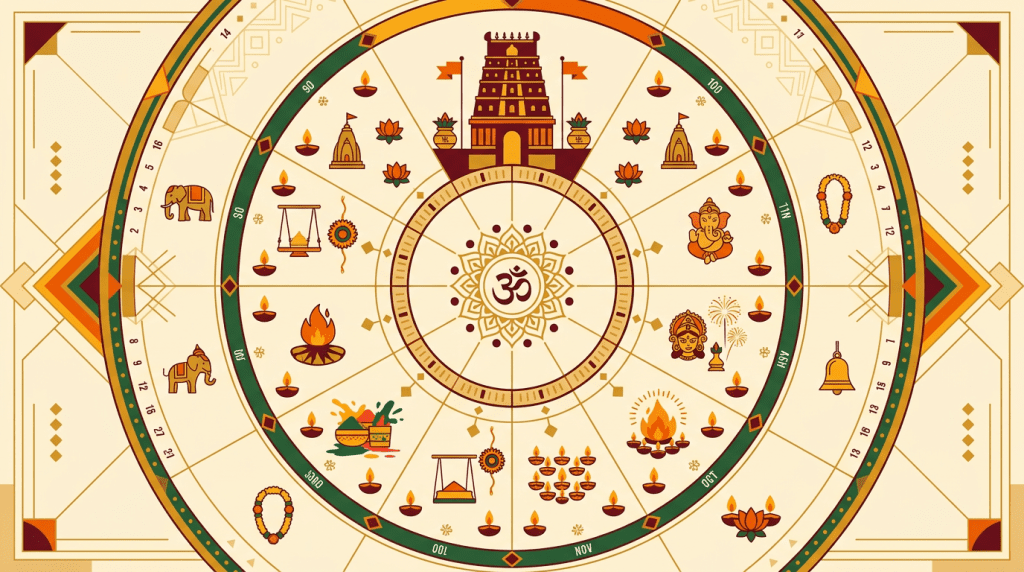
The Hindu Vaishnava calendar is a living rhythm of worship — a continuous cycle of Ekadashis, Jayantis (birth anniversaries of Lord Vishnu’s avataras and revered Acharyas), seasonal festivals, and temple celebrations that keep the devotee anchored to the Divine throughout the year. For followers of the Madhwa sampradaya,…
If Ekadashi is the foundation of Vaishnava fasting, then Dwadashi — the twelfth day of the lunar fortnight — is its essential counterpart. In the Madhwa tradition, the rules governing Dwadashi Parane (the breaking of the Ekadashi fast) are just as precise and binding as the rules of…
Of the twelve months in the Hindu calendar, Kartika Masa (October–November) holds the highest spiritual position for Vaishnavas. The Padma Purana devotes hundreds of verses to the glory of this month, declaring: “Just as Vishnu is the greatest among deities, Ganga among rivers, and Tulasi among plants, so…

Ekadashi — the eleventh day of each lunar fortnight — stands as the single most important vrata (sacred observance) in the Madhwa Vaishnava tradition. Shri Madhwacharya declared Ekadashi fasting mandatory for every grihastha (householder) and sanyasi alike, placing it above all other vratas in spiritual merit. The Krishnamruta…
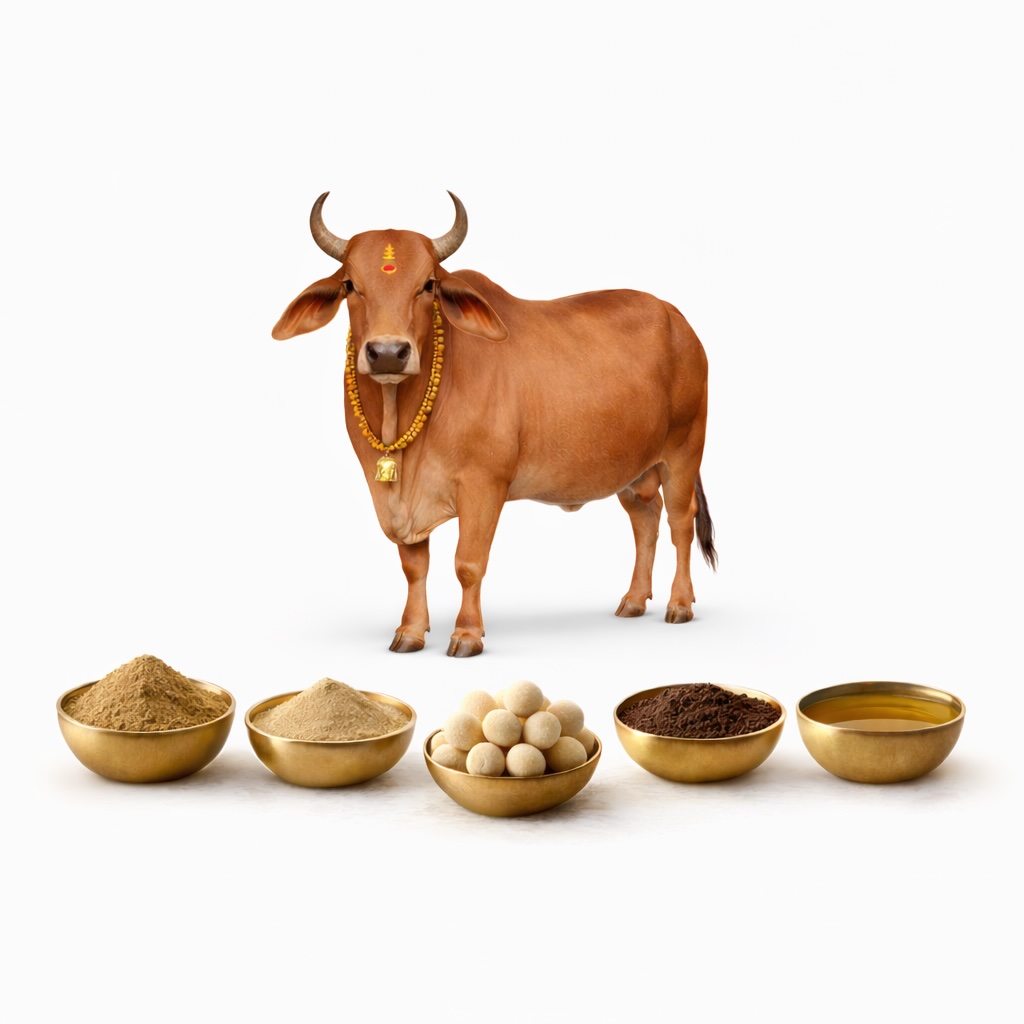
Gau Pooja Seva at Shri Vadiraja Mandira, Chintamani is a form of worship that honours the cow as a living embodiment of divine grace — one of the most ancient and universally practiced acts of reverence in the Vedic tradition. This seva encompasses the formal ritual pooja of…
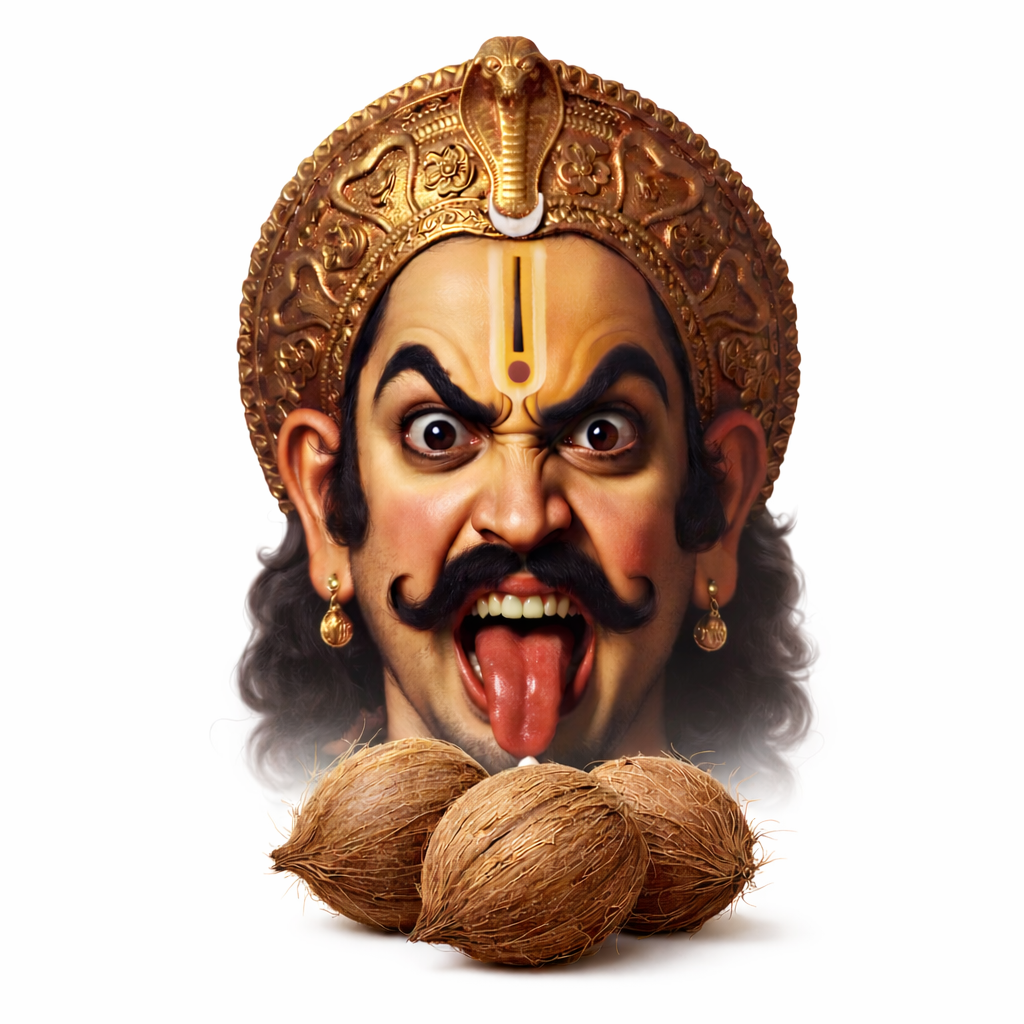
Bhootarajara Narikela Seva — the offering of a sacred coconut rolled to the shrine of Bhootarajaru — is a distinctive and profoundly meaningful seva at Shri Vadiraja Mandira, Chintamani. To understand this seva, one must first know who Bhootaraja truly is: not merely a guardian deity, but the…
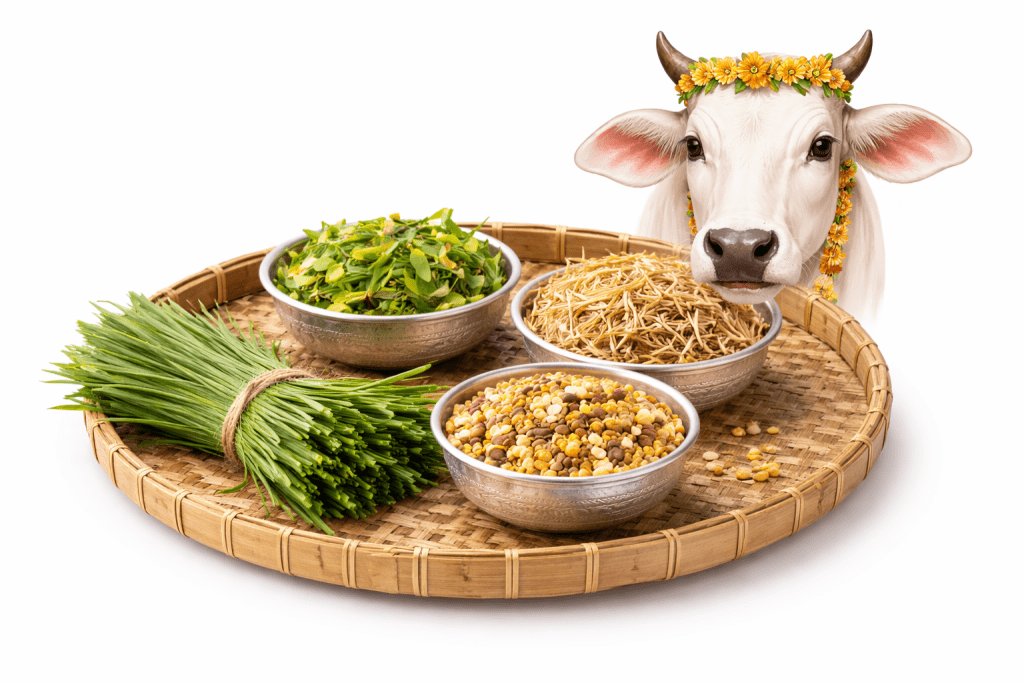
Gau Grasa Seva — the sacred offering of food to cows — is one of the most deeply grounded and universally revered acts of devotion in the Vedic tradition. At Shri Vadiraja Mandira, Chintamani, this seva allows devotees anywhere in the world to sponsor the daily feeding of…