
Sandalwood—known as Chandana in Sanskrit—has been revered in Hindu worship for millennia. Its cooling fragrance, its capacity to purify the mind and body, and its intimate association with temple rituals make it one of the most treasured sacred substances in Vaishnavism. From the Vedic yajna shala to the innermost sanctums of Madhwa temples, chandana serves as a bridge between the material and the divine.
In the Dvaita tradition of Madhwacharya, offering chandana to Lord Vishnu is not a symbolic act but a genuine service to the Supreme Being. Sri Hari, who is Sarva Guna Purna (replete with all auspicious qualities), accepts the cooling, fragrant paste as an expression of the devotee’s love and reverence. The ritual of Gandhalepana—anointing the deity with sandalwood paste—is among the most cherished sevas in Madhwa temple worship.
Chandana in Vedic and Puranic Literature
References to sandalwood pervade the Vedic and Puranic texts. The Rig Veda mentions fragrant offerings as integral to yajna (sacred fire rituals), and sandalwood is foremost among these. The Vishnu Purana describes Lord Vishnu as adorned with chandana, and the Bhagavata Purana mentions sandalwood paste among the sixteen upacharas (services) offered to the deity during pooja.
The sixteen upacharas—known as Shodashopachara Pooja—include offering sandalwood paste (gandha) as the eighth upachara. This is prescribed in Madhwacharya’s Tantrasara Sangraha, the authoritative text on temple and household worship in the Madhwa tradition. The text details how chandana should be prepared, applied, and offered with specific mantras.
Sri Jayatirtha, in his commentaries, explains that the fragrance of chandana is inherently sattvic (pure and elevating). It calms the mind, drives away rajasic and tamasic tendencies, and creates an atmosphere conducive to meditation and worship. This is not merely a psychological effect—in Dvaita philosophy, the gunas (qualities) of substances are real properties that influence the spiritual state of the worshipper.
Cooling and Purifying Properties of Chandana
Sandalwood has been prized across cultures for its exceptional cooling and purifying qualities. In the context of Hindu worship, these properties carry both practical and spiritual significance:
- Cooling Effect: Chandana paste, when applied to the deity or to the devotee’s forehead, produces a soothing, cooling sensation. This is especially valued in the warm climate of South India, where Madhwa temples are predominantly located. The cooling property symbolises the calming of worldly passions and the peace that comes from devotion to Lord Vishnu.
- Purification: Sandalwood is considered to purify the environment. Burning sandalwood incense or applying its paste is believed to drive away negative energies and create a sacred atmosphere. The Agni Purana describes chandana as one of the substances that sanctifies a space for worship.
- Fragrance: The enduring fragrance of sandalwood is likened to the eternal nature of Lord Vishnu’s qualities. Just as the Lord’s attributes never diminish, the scent of pure chandana persists long after application.
- Medicinal Value: Ayurveda recognises sandalwood as a cooling, anti-inflammatory substance beneficial for skin health, mental clarity, and stress relief. These health benefits complement the spiritual value of chandana in daily use.
Gandhalepana: The Sacred Sandalwood Offering
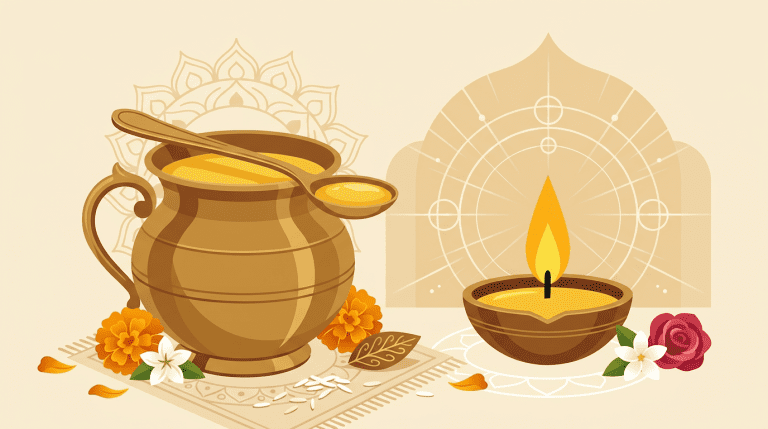
Gandhalepana (gandha = fragrance, lepana = anointing) is the ritual of applying sandalwood paste to the deity’s vigraha (sacred image). This is one of the most intimate and personal forms of seva in Madhwa temple worship.
The ritual proceeds as follows:
- Preparation: Pure sandalwood is ground on a flat stone with a few drops of water to produce a smooth, fragrant paste. In many temples, this is done fresh each day. The grinding itself is considered a meditative act of service.
- Invocation: The priest recites the appropriate mantras invoking Lord Vishnu’s presence and seeks permission to perform the anointing.
- Application: The sandalwood paste is gently applied to the deity’s forehead, chest, arms, and feet. In some traditions, the entire vigraha is anointed. The application follows specific patterns prescribed in the Agama texts and Madhwa ritual manuals.
- Decoration: After the paste is applied, the deity is decorated with flowers, Tulasi, and other ornaments. The combination of chandana, Tulasi, and flowers creates the traditional alankara (adornment) of Lord Vishnu.
- Distribution: The remaining sandalwood paste, now sanctified by contact with the deity, is distributed to devotees as prasada. Applying this chandana prasada on the forehead is considered highly meritorious.
At Shri Bhaavi Sameera Vadiraja Mandira, Sri Gandhalepana seva is performed with meticulous adherence to Madhwa ritual standards. Devotees can sponsor this seva for the Lord’s pleasure and receive the sanctified chandana as prasada.
Sandalwood in Madhwa Temple Worship
In the Madhwa tradition, sandalwood plays a role in several aspects of temple life:
- Daily Pooja: Chandana is applied to the deity during the morning and afternoon pooja services. It is one of the essential items in the pooja samagri (worship materials).
- Festival Celebrations: During festivals like Akshaya Tritiya, Chandana Yatra (a special festival dedicated to sandalwood anointing), and Vaikuntha Ekadashi, elaborate Gandhalepana is performed with large quantities of premium sandalwood paste.
- Utsava Murtis: During temple processions (utsava), the processional deities are adorned with sandalwood paste and taken through the streets, allowing devotees to witness the beautifully anointed Lord.
- Personal Devotion: Madhwa devotees often apply chandana on their own foreheads after pooja, along with the Gopichandana tilaka. This act of self-anointing is a reminder that the body is a temple of the Lord.
Sri Vadiraja Tirtha, in his devotional compositions, describes the Lord as adorned with the finest chandana, His divine form made even more beautiful by the fragrant paste. These poetic descriptions inspire devotees to perform Gandhalepana with love and care.
Types of Chandana Used in Worship
Not all sandalwood is equal in the context of worship. The Madhwa tradition recognises several types:
- Shweta Chandana (White Sandalwood): The most prized variety, sourced primarily from Mysuru (Mysore) and surrounding regions of Karnataka. Its pale colour and intense, sweet fragrance make it ideal for deity worship.
- Rakta Chandana (Red Sandalwood): Used in specific rituals and known for its deep reddish hue. Red sandalwood is sometimes mixed with white sandalwood for particular festival decorations.
- Harichandana: A legendary variety mentioned in the Puranas, said to grow in the celestial realms. While not available on earth, it represents the ideal of the finest possible offering to the Lord.
The quality of chandana matters in worship. Madhwacharya’s emphasis on offering the best to the Lord (uttama dravya) extends to sandalwood—devotees are encouraged to procure the purest, most fragrant chandana available for their pooja.
Frequently Asked Questions
Why is sandalwood considered sacred in Hindu worship?
Sandalwood is sacred because of its inherent sattvic (pure) nature, its cooling and purifying properties, and its mention in numerous Vedic and Puranic texts as an essential offering to Lord Vishnu. The fragrance of chandana pleases the Lord and calms the devotee’s mind, creating the ideal atmosphere for worship. In Dvaita philosophy, offering chandana is a real act of service to the Supreme Being, who genuinely accepts and is pleased by the offering.
How is Gandhalepana performed at Madhwa temples?
Gandhalepana involves grinding fresh sandalwood into a smooth paste with water, invoking the Lord’s presence through mantras, and gently applying the paste to the deity’s vigraha on the forehead, chest, arms, and feet. The ritual follows prescriptions from the Tantrasara Sangraha and related texts. After anointing, the deity is decorated with flowers and Tulasi. The remaining sanctified paste is given to devotees as prasada.
When is the best time to offer sandalwood paste to the deity?
Chandana can be offered during daily pooja at any time, but it is especially significant during summer months (when its cooling properties are most appreciated), on Akshaya Tritiya, during Chandana Yatra festivals, and on Vaikuntha Ekadashi. At Shri Bhaavi Sameera Vadiraja Mandira, Sri Gandhalepana can be sponsored on any day for the Lord’s pleasure.
What are the spiritual benefits of offering chandana to Lord Vishnu?
Scriptures describe numerous benefits: purification of past sins, cooling of worldly passions, cultivation of a sattvic mind, and the earning of the Lord’s grace. The Vishnu Purana states that one who offers chandana to Lord Vishnu with devotion is freed from the cycle of suffering. In the Madhwa understanding, these benefits flow from the Lord’s genuine acceptance of the offering—He is pleased by the devotee’s sincere service.
Can I sponsor Gandhalepana seva from outside Chintamani?
Yes. Shri Bhaavi Sameera Vadiraja Mandira offers Sri Gandhalepana seva that can be sponsored by devotees from anywhere. The temple’s qualified priests perform the sandalwood anointing on your behalf, and prasada is sent to you. This allows devotees who cannot visit in person to participate in this sacred tradition and receive the blessings of the Lord.
Chandana connects the earthly and the divine through its pure fragrance and cooling grace. Every application of sandalwood paste to the Lord’s sacred form is an act of love, humility, and surrender. Book Sri Gandhalepana seva at Shri Bhaavi Sameera Vadiraja Mandira and offer the Lord the timeless gift of sandalwood’s sacred fragrance. Explore all sacred sevas to discover the complete range of worship services available at the mandira.