
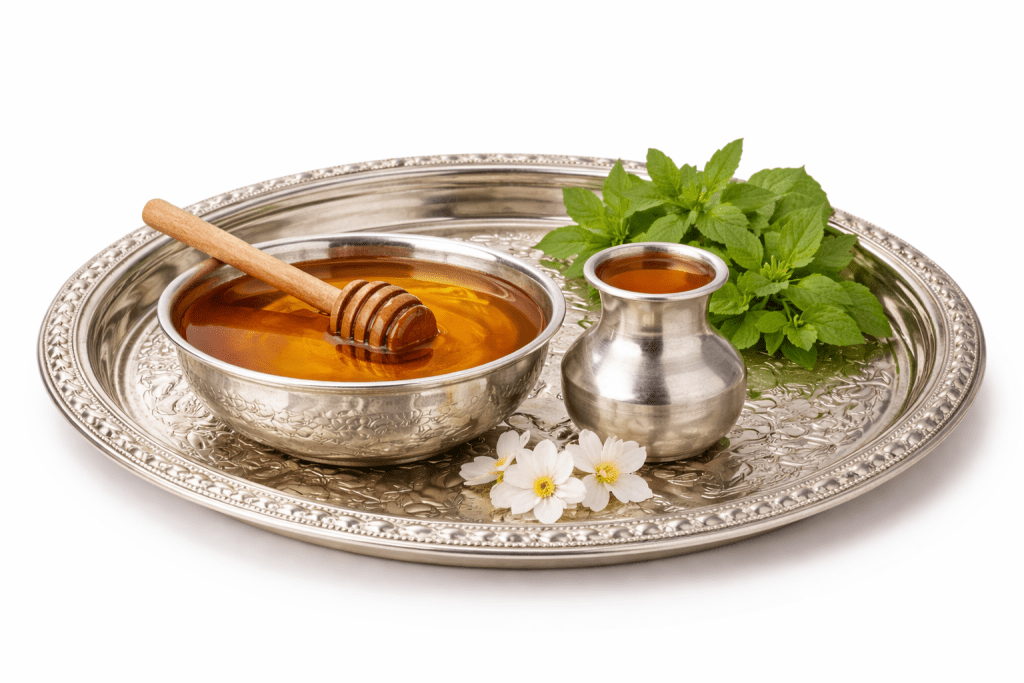
Madhu Abhisheka — the sacred ritual bath with pure honey — is one of the most beloved and spiritually resonant forms of Abhisheka (divine bathing) offered at Shri Vadiraja Mandira, Chintamani. Honey, or Madhu in Sanskrit, is a substance revered across Vedic literature as a symbol of divine…
Seva Articles — Temple Rituals, Festivals & Madhwa Philosophy
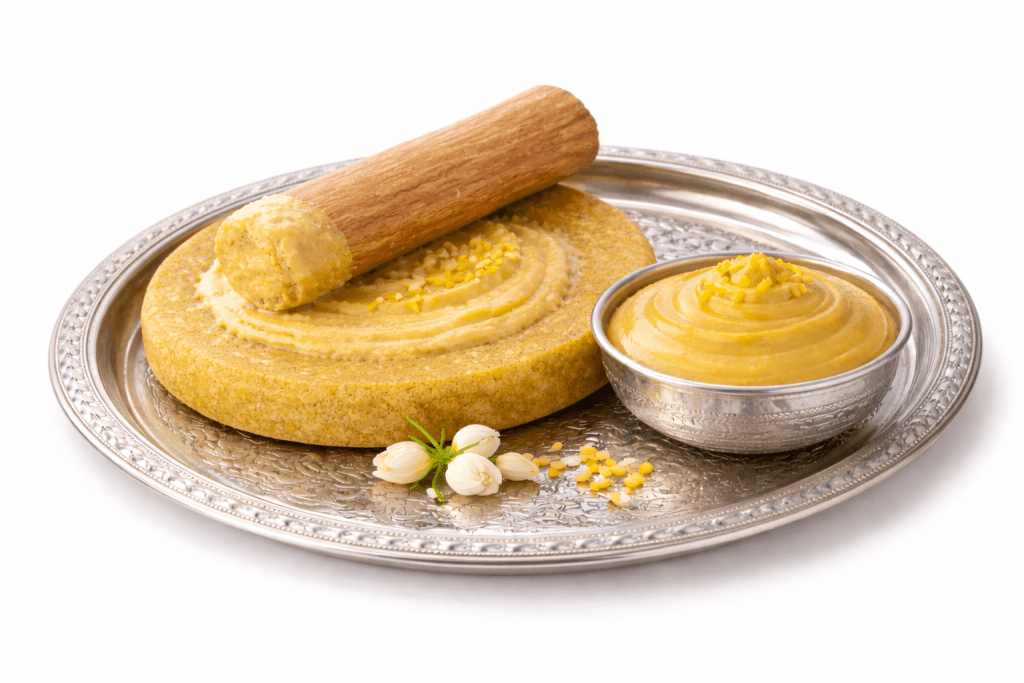
Sri Gandhalepana Seva — the offering of sacred sandalwood paste to the deity — is one of the most refined and symbolically rich sevas in the repertoire of Vaishnava worship. At Shri Vadiraja Mandira, Chintamani, this seva involves the careful preparation and application of sandalwood paste (Gandha) to…
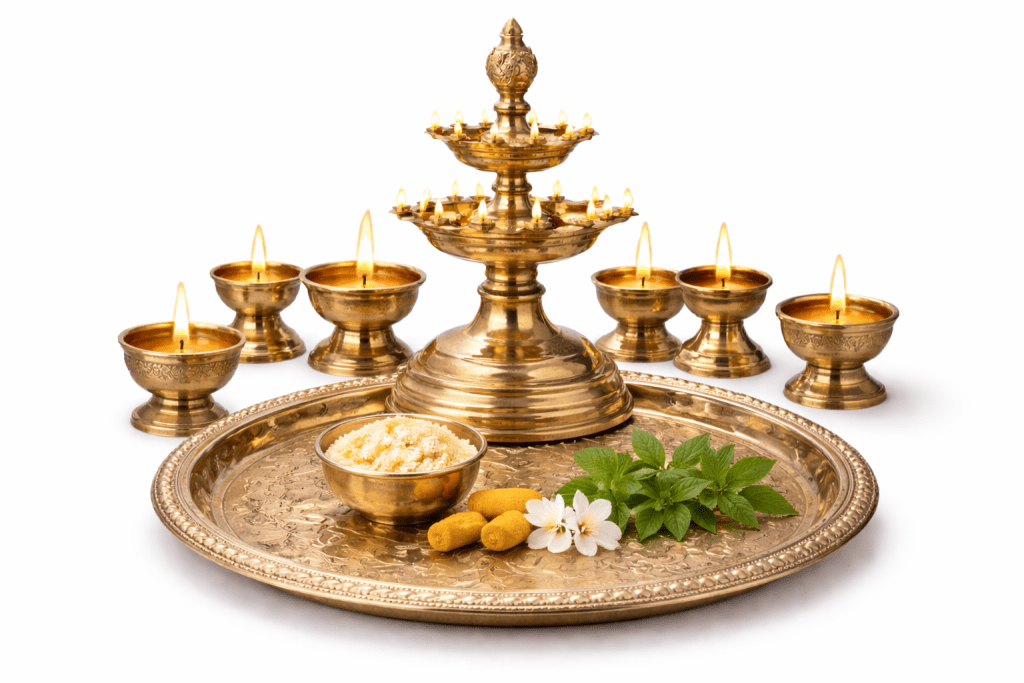
Deeparadhane Seva — the offering and waving of sacred lamps before the deity — is one of the most universal and beloved acts of Hindu worship. At Shri Vadiraja Mandira, Chintamani, Deeparadhane takes a particularly charged significance: this is the temple of Shri Vadirajaru, the saint whose miraculous…
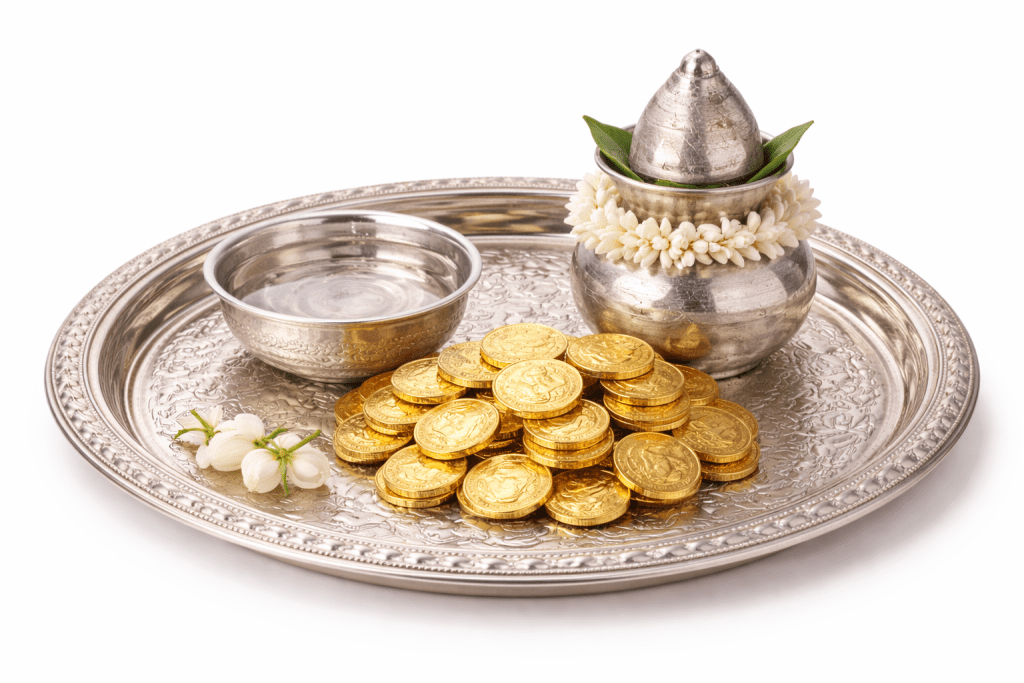
Kanakabhisheka — the golden Abhisheka — is among the most magnificent and meritorious of all ritual offerings described in the Hindu temple tradition. At Shri Vadiraja Mandira, Chintamani, this special Abhisheka involves the symbolic offering of gold (kanaka) as part of a consecrated bathing ritual, combining the Vedic…
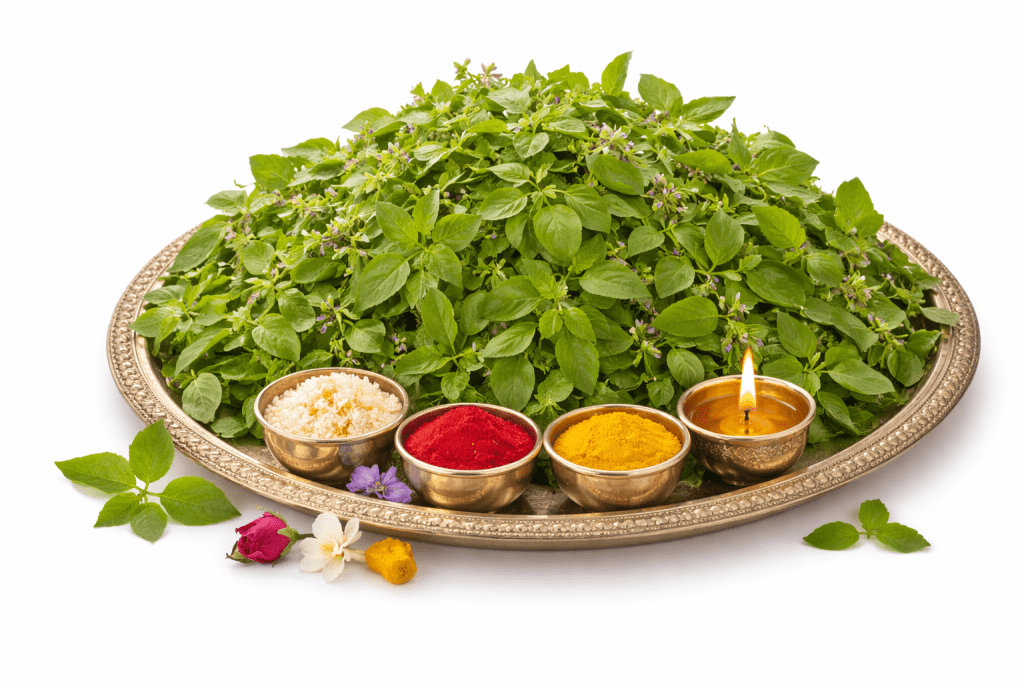
Tulasi Archane Seva is the sacred offering of Tulasi (Holy Basil) leaves to Lord Vishnu and his forms, with each leaf offered at each divine name recited during the Archana. At Shri Vadiraja Mandira, Chintamani, this seva creates a moment of intensely focused Vaishnava devotion where the most…
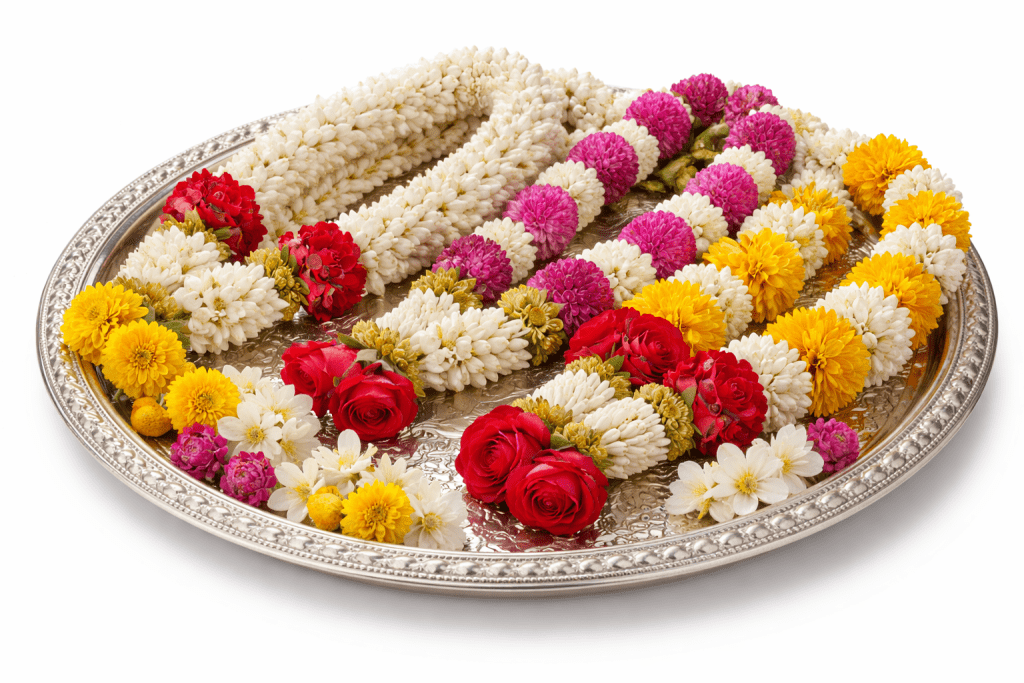
Pushpalankara Seva transforms the deity at Shri Vadiraja Mandira, Chintamani into a vision of natural splendour — an elaborate decoration using fresh flowers that makes the divine form radiant and beautiful for the entire day of worship. Pushpa means flower and Alankara means adornment or decoration; together, they…
Lakshmi Kumkumarchane is a form of Archana (ritual worship through divine name recitation) where each of Goddess Lakshmi’s sacred names is offered alongside kumkuma — the vibrant vermilion powder that is the most auspicious symbol of the Divine Feminine in the Vedic tradition. At Shri Vadiraja Mandira, Chintamani,…
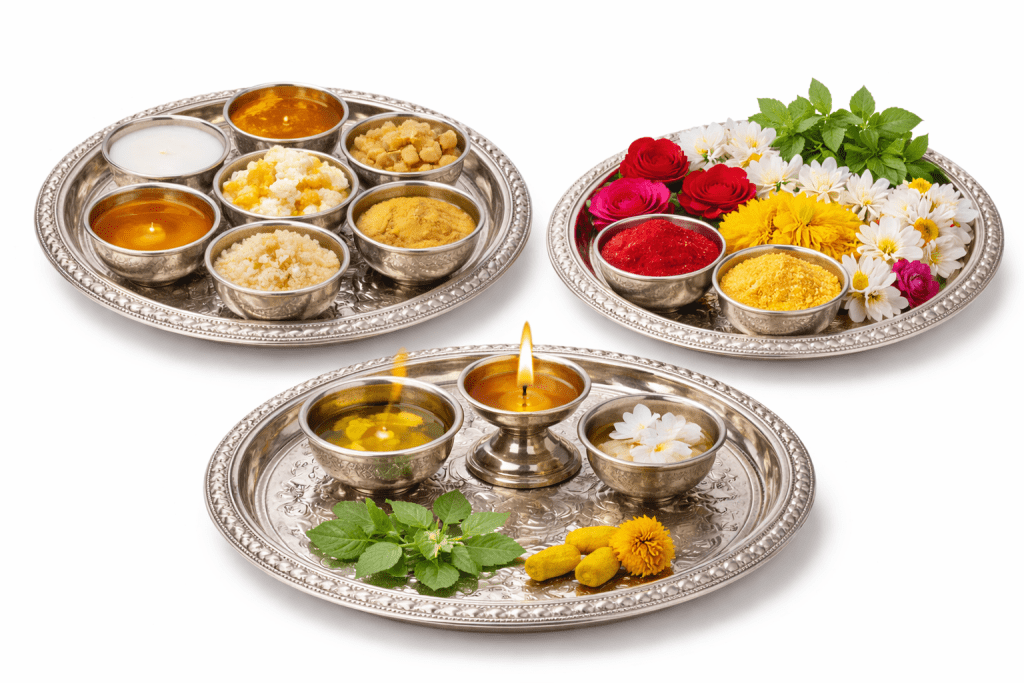
For devotees who wish to offer comprehensive worship at Shri Vadiraja Mandira, Chintamani without the complexity of booking each seva individually, Sarva Seva is the complete, all-inclusive offering package that encompasses the major sevas of the temple in a single booking. The word “Sarva” in Sanskrit means “all”…
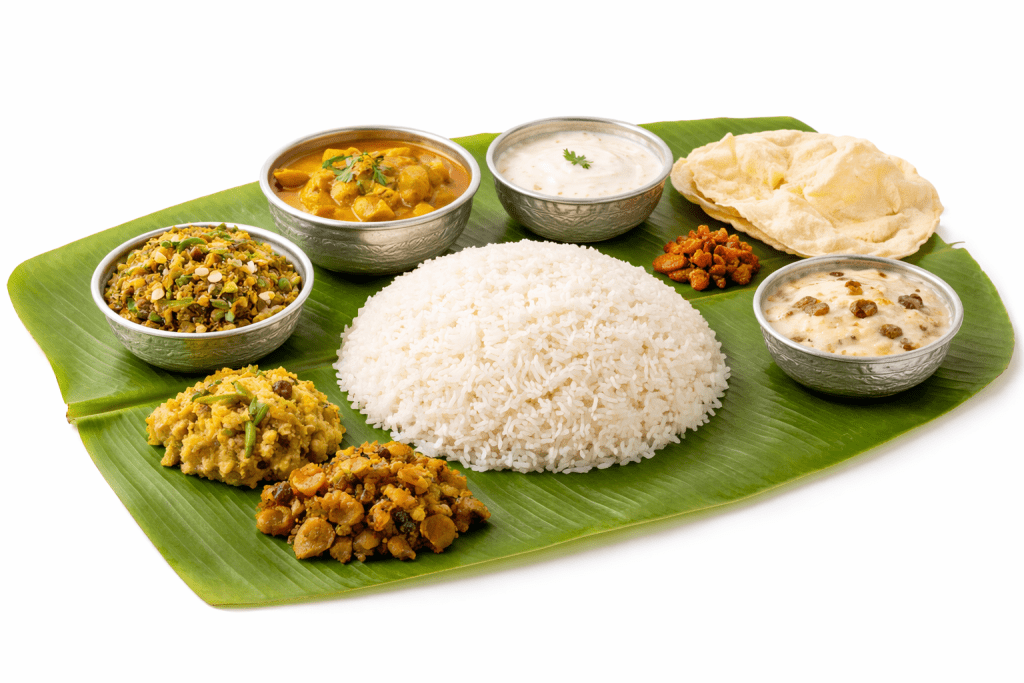
Of all forms of charity described in the Hindu scriptures, Annadana — the gift of food — stands supreme. The Taittiriya Upanishad, one of the most ancient of the Upanishads, makes this unequivocal: “Annam Brahma” — “Food is Brahman (God).” And again: “Na kadacit annam pratyakhyam tat” —…