
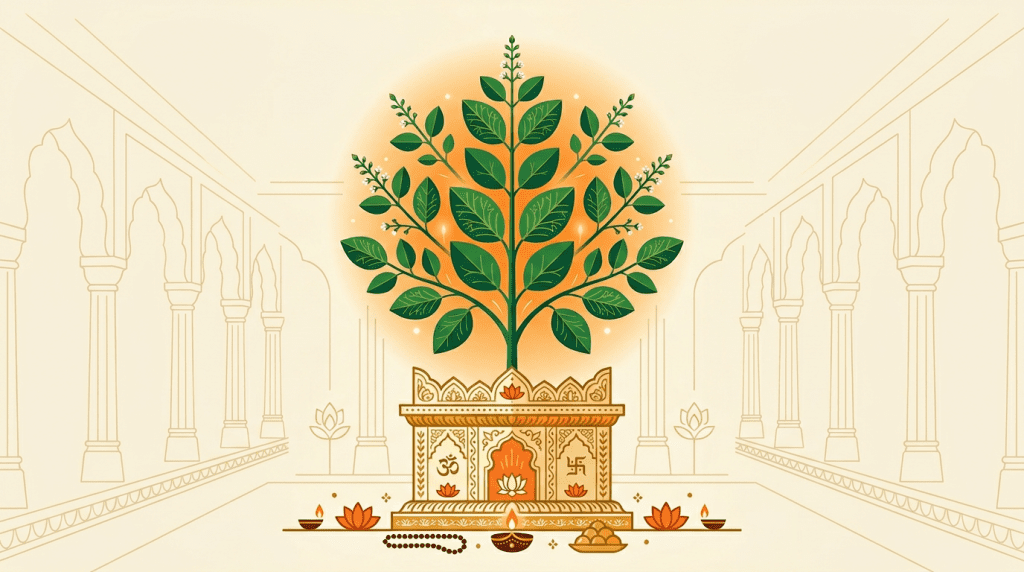
In the Vaishnava tradition, few sacred elements hold the exalted status that Tulasi (holy basil, Ocimum tenuiflorum) commands. Revered as the physical manifestation of Vrinda Devi, a beloved devotee and consort of Lord Vishnu, Tulasi occupies a singular place in daily worship, temple rituals, and household devotion. No…
Seva Articles — Temple Rituals, Festivals & Madhwa Philosophy

Seva is a Sanskrit word meaning service — specifically, selfless, devoted service to God, to the Guru, and to all living beings as an expression of devotion to the Supreme. In the Madhwa tradition of Dvaita Vedanta, Seva is not merely charity or social work; it is Kainkaryam…

The lamp — Deepa in Sanskrit — is among the most ancient and universal symbols of Hindu worship. Every temple pooja begins and ends with the lighting of a lamp; no ritual is considered complete without its presence. In the Madhwa tradition of Dvaita Vedanta, the Deepa carries…
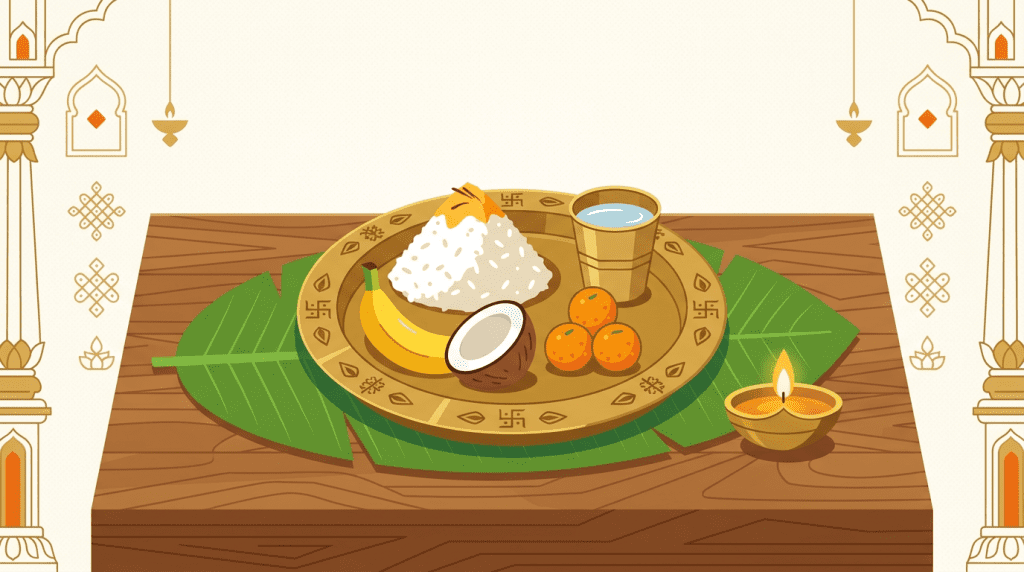
Naivedya (also written Neivedyam in South Indian usage) is the sacred offering of food to God before it is consumed by devotees. The Sanskrit word derives from nivedana, meaning “to present” or “to dedicate.” In the Madhwa tradition of Dvaita Vedanta, Naivedya is far more than a ritual…
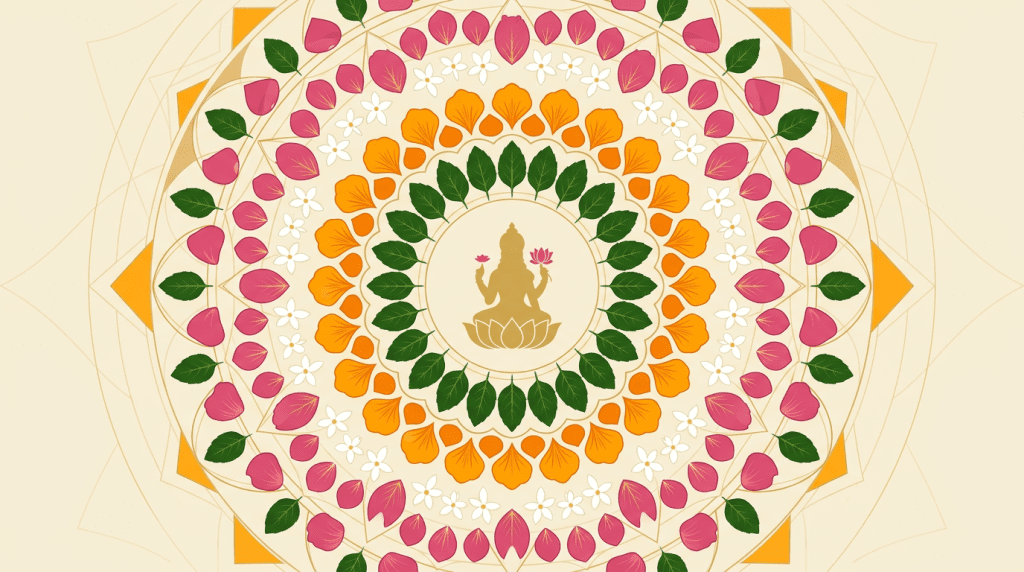
Archana is the act of worshipping the Lord by reciting His divine names while offering sacred items — flowers, Tulasi leaves, kumkuma, or akshata — at His feet. The word comes from the Sanskrit root arch, meaning to honour, praise, or worship. In the Madhwa Vedantic tradition, Archana…
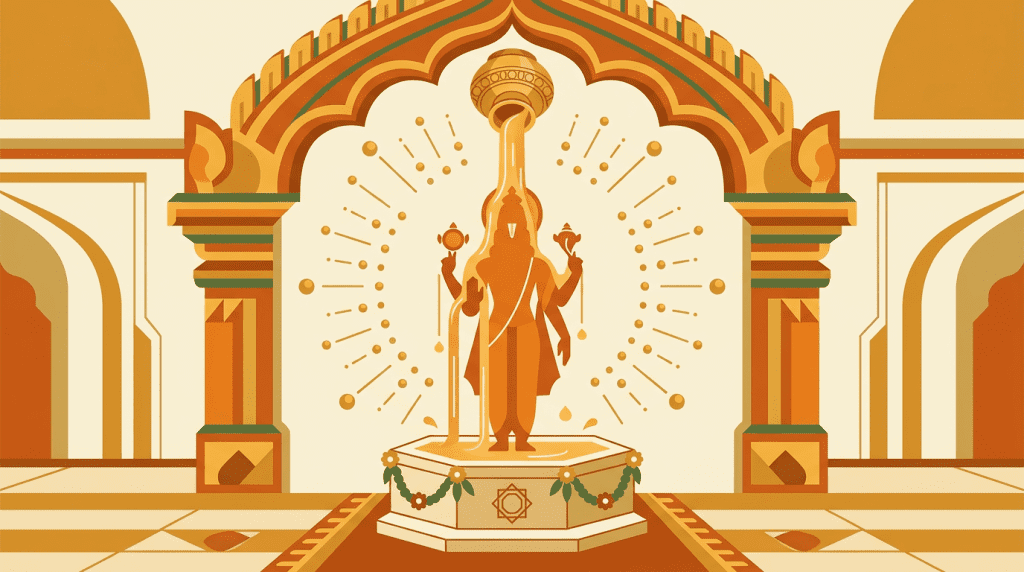
Abhisheka is the sacred ritual of bathing a deity’s idol (Bimba) with sanctified substances such as water, milk, honey, ghee, and more. The word derives from the Sanskrit roots abhi (towards) and seka (sprinkling or pouring), together signifying a ceremonial anointing directed at the divine form. In the…
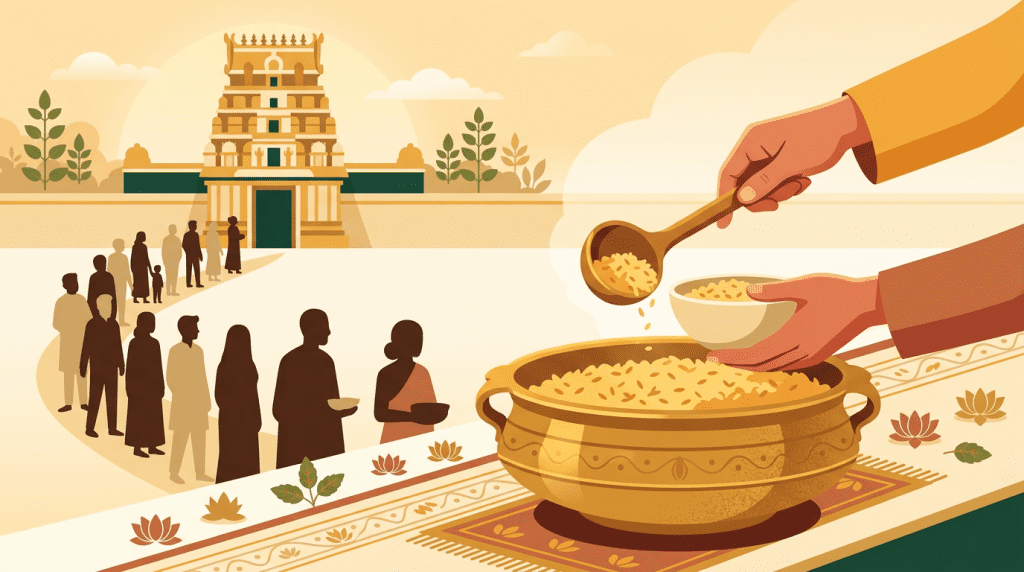
Of all forms of charity prescribed in Hindu scripture, Annadana — the gift of food — stands supreme. The Taittiriya Upanishad proclaims: “Annam Brahmeti Vyajanaat” — “Know that food is Brahman (the Divine).” This is not a metaphor. In the Madhwa Vaishnava understanding, food is a direct manifestation…

The cow — Gau Mata (Mother Cow) — holds a position of unparalleled reverence in Hindu scripture and practice. She is not merely an animal to be protected; she is a living temple, a sacred being in whom all deities reside. The Mahabharata declares: “Gavaam madhye sthitam Vishnum”…
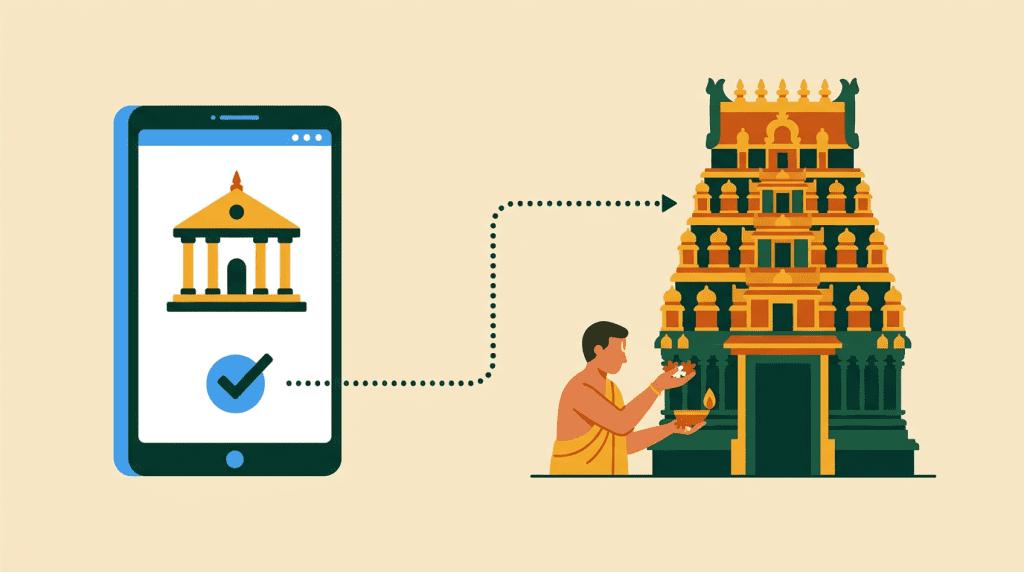
Booking a seva online at a Hindu temple might seem like a modern convenience — a few clicks on a website, a digital payment, and a confirmation email. But what happens after that click? For many devotees, particularly those booking for the first time from a distant city…